
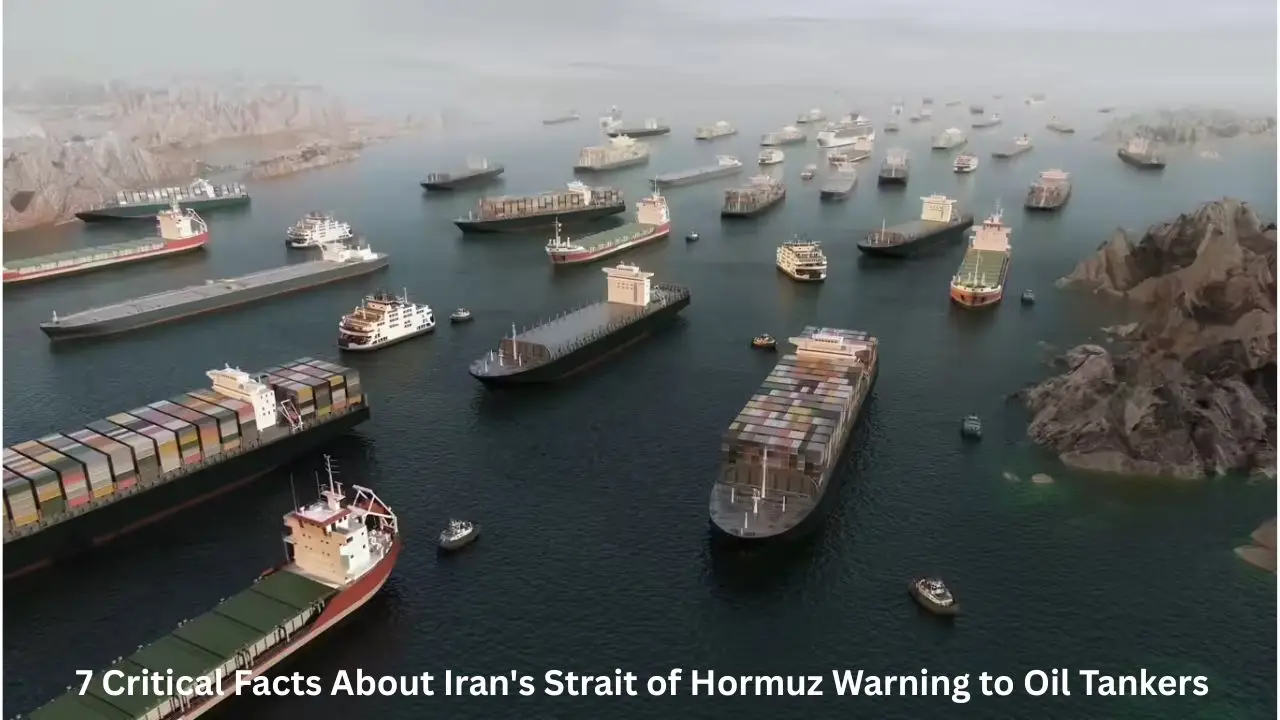
7 Critical Facts About Iran’s Strait of Hormuz Warning to Oil Tankers to use only approved shipping routes. The Strait of Hormuz—one of the world’s most strategically important maritime chokepoints—is once again at the center of global attention.
Iranian authorities have issued a strong warning requiring oil tankers and commercial vessels to use only designated shipping routes while transiting the narrow waterway, cautioning that ships ignoring the approved corridors could face a “forceful response.”
The announcement comes just days after heightened regional tensions following the Iran-Israel conflict and during an already fragile security environment in the Persian Gulf.
With nearly one-fifth of the world’s crude oil and a significant portion of global liquefied natural gas (LNG) exports passing through the Strait of Hormuz every day, the development has sparked concern among governments, shipping companies, energy traders, and financial markets worldwide.
Although Iran has not announced a closure of the waterway, the tighter navigation rules signal a significant shift in maritime security policy that could have implications for global trade, energy prices, and geopolitical stability.
Here are the seven most important facts behind Iran’s latest warning.
7 Critical Facts About Iran’s Strait of Hormuz Warning to Oil Tankers
1. Iran Orders Oil Tankers to Use Only Approved Shipping Routes
Iran’s military and maritime authorities have instructed all commercial vessels, particularly oil tankers, to navigate only through officially approved shipping lanes while crossing the Strait of Hormuz.
According to Iranian officials, ships that deviate from these designated routes risk interception and may face what authorities described as a “forceful response.”
Iran says the new navigation rules are intended to improve maritime safety, reduce the possibility of accidents, and prevent security incidents during a period of heightened military alert.
Officials insist the measures are defensive rather than an attempt to disrupt international shipping.
The warning applies to vessels entering and leaving the Persian Gulf through one of the world’s busiest maritime corridors.
2. Why the Strait of Hormuz Matters to the World
The Strait of Hormuz is only about 33 kilometers (21 miles) wide at its narrowest point, yet it serves as the primary gateway for energy exports from the Gulf.
Every day, approximately 20 million barrels of crude oil and petroleum products move through the strait, representing nearly 20% of global oil consumption.
Major exporters using the route include:
- Saudi Arabia
- Iraq
- Kuwait
- United Arab Emirates
- Qatar
- Iran
The waterway is also critical for liquefied natural gas exports, particularly from Qatar, one of the world’s leading LNG suppliers.
Any disruption—whether temporary or prolonged—can have immediate effects on international energy markets, shipping insurance costs, and global supply chains.
3. Heightened Security Follows Regional Conflict
Iran’s latest maritime directive comes amid elevated tensions following months of conflict involving Iran, Israel, and the United States.
Although active hostilities have eased, Iranian military leaders say regional threats remain.
Officials argue that tighter control over tanker movements is necessary to:
Prevent Military Escalation
Iran says designated shipping lanes reduce the risk of misunderstandings between commercial vessels and naval forces operating in the Gulf.
Protect Strategic Infrastructure
Authorities have cited concerns about sabotage, surveillance operations, and unauthorized vessel movements near sensitive military and energy facilities.
Enhance Maritime Coordination
Iran maintains that approved routes enable better communication with coast guards and naval patrols during emergencies.
The measures reflect Tehran’s broader effort to strengthen maritime security while projecting control over one of the world’s most important shipping corridors.
4. Global Shipping Companies Are Closely Monitoring the Situation
The warning has prompted shipping companies, tanker operators, and maritime insurers to reassess operational risks in the Gulf.
Industry analysts note that although commercial traffic continues to move through the Strait of Hormuz, shipping firms are paying closer attention to:
- Updated navigation advisories
- Military activity in the region
- Insurance premiums
- Voyage planning
- Crew safety protocols
Several international maritime organizations have advised ship operators to remain in close communication with regional authorities and to follow internationally recognized navigation procedures.
For now, no widespread suspension of commercial shipping has been reported, but companies remain cautious.
5. Iran and Oman Are Discussing a New Transit Fee Proposal
Another significant development is a reported proposal by Iran and Oman to introduce a transit fee system for vessels using the Strait of Hormuz.
According to sources familiar with the discussions, the proposal would require commercial ships to pay a navigation or security-related fee while transiting the strategic waterway.
Supporters argue that such a system could:
- Fund maritime safety improvements
- Enhance navigational infrastructure
- Increase emergency response capabilities
- Improve environmental protection efforts
However, many shipping companies and international observers are expected to scrutinize any fee proposal carefully, given international maritime law and the Strait’s importance as an international shipping route.
The proposal remains under discussion, and no final agreement has been announced.
6. Could Oil Prices Rise?
Energy markets reacted cautiously following Iran’s announcement.
Although there has been no disruption to tanker traffic, traders recognize that even the perception of increased risk in the Strait of Hormuz can influence oil prices.
Several factors could affect markets in the coming weeks:
Shipping Delays
If vessels experience longer transit times because of new routing requirements, transportation costs could increase.
Higher Insurance Costs
Marine insurers often raise premiums when geopolitical risks increase, potentially increasing shipping expenses.
Market Sentiment
Energy traders closely monitor developments in the Gulf, and uncertainty alone can contribute to short-term price volatility.
At present, analysts say the warning is more likely to affect market psychology than physical oil supplies, provided commercial traffic continues uninterrupted.
7. The International Community Is Watching Closely
Governments around the world are monitoring developments in the Strait of Hormuz because of its central role in global energy security.
The United States and allied naval forces continue to operate in the broader Gulf region, while European and Asian countries have emphasized the importance of maintaining freedom of navigation under international law.
Major oil-importing economies—including India, China, Japan, South Korea, and many European nations—depend heavily on uninterrupted energy shipments through the strait.
Diplomatic observers believe all parties have a strong incentive to avoid any escalation that could threaten one of the world’s busiest maritime trade routes.
What the Warning Means for Global Shipping
Although Iran’s statement has attracted widespread international attention, it is important to distinguish between tighter navigation controls and an actual closure of the Strait of Hormuz.
At this stage:
- Commercial shipping continues.
- Oil exports remain uninterrupted.
- Ports across the Gulf remain operational.
- International shipping lanes remain open.
However, vessel operators are expected to comply closely with updated guidance issued by Iranian maritime authorities while also following international navigation standards.
The coming weeks will reveal whether the new routing requirements become a long-term policy or a temporary security measure.
Why Businesses Should Pay Attention
Companies beyond the energy sector also have reason to monitor developments.
Potential consequences include:
Global Supply Chains
Any slowdown in Gulf shipping could affect manufacturing, transportation, and logistics worldwide.
Inflation
Higher shipping or fuel costs may eventually increase prices for consumers.
Financial Markets
Energy stocks, shipping companies, and commodity markets often react quickly to developments affecting the Strait of Hormuz.
Import-Dependent Countries
Countries that rely heavily on Gulf oil imports could experience increased transportation costs if maritime risks remain elevated.
Looking Ahead
The Strait of Hormuz has long been one of the world’s most geopolitically sensitive waterways, and Iran’s latest directive highlights its continued strategic importance.
While Tehran insists that the new navigation rules are designed to improve maritime safety rather than disrupt commerce, the announcement underscores the close relationship between regional security and the global economy.
Shipping companies, governments, and energy markets are likely to continue monitoring the Gulf closely as diplomatic efforts seek to prevent further escalation.
For now, commercial traffic remains active, but the situation serves as a reminder that stability in the Strait of Hormuz remains essential for global energy security and international trade.
Conclusion
Iran’s decision to require oil tankers to follow approved routes through the Strait of Hormuz marks another significant development in an already tense regional environment.
Although the waterway remains open and global oil flows continue, the new restrictions reflect Tehran’s determination to tighten maritime oversight after months of heightened conflict.
Given that nearly one-fifth of the world’s oil passes through this narrow passage, even modest policy changes can reverberate across global energy markets.
As governments, shipping firms, and traders assess the implications, the international community will be watching closely to ensure that one of the world’s most vital maritime corridors remains safe, stable, and open to commerce.
Also Read: 7 Shocking Updates: IRGC Navy Chief Tangsiri Killed Amid Hormuz Crisis
Also Read: Iran hardens stance on Hormuz, demands global recognition of its control over strait
Related Posts:
- 7 Alarming Facts About Super Typhoon Fung-wong
- Trump’s 20-Point Gaza Peace Plan Gains Urgent Global…

- US Strike on Venezuelan Boat Kills 6 in Fifth…

- China Hosts SCO Summit 2025 and Military Parade as…

- Afghanistan–Pakistan War 2025: Inside the 48-Hour Ceasefire

- Putin’s Shocking Risks Ahead of Trump–Hungary Summit 2025
