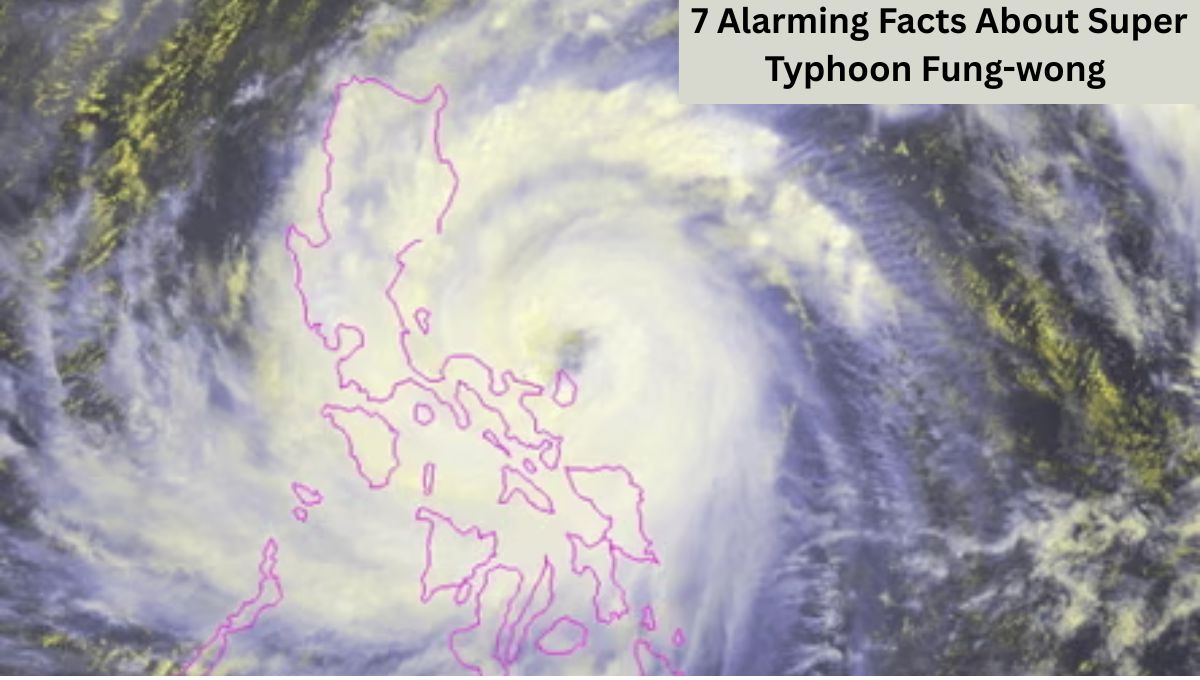
7 Alarming Facts About Super Typhoon Fung-wong devastating the Philippines after deadly Kalmaegi. The Philippines is reeling once again as Super Typhoon Fung-wong—known locally as Uwan—barrels across its islands with winds reaching 185 km/h (115 mph) and gusts up to 230 km/h, bringing torrential rain, catastrophic flooding, and life-threatening storm surges.
The monster storm comes barely days after Typhoon Kalmaegi left over 200 people dead and thousands homeless, deepening the crisis in a nation still struggling to recover.
7 Alarming Facts About Super Typhoon Fung-wong
1. Second Killer Typhoon in One Week
After Typhoon Kalmaegi devastated the Philippines earlier this week, claiming at least 204 lives, residents are now facing the fury of Fung-wong, the 21st named storm to hit the country this year.
Kalmaegi was slow-moving, unleashing massive floods across the Visayas and Cebu provinces, where entire villages were submerged and rescue teams battled through landslides and collapsed bridges.
Just days later, Super Typhoon Fung-wong has intensified to dangerous levels. The Philippine Atmospheric, Geophysical and Astronomical Services Administration (PAGASA) upgraded the storm to super typhoon status as it neared landfall on Sunday evening.
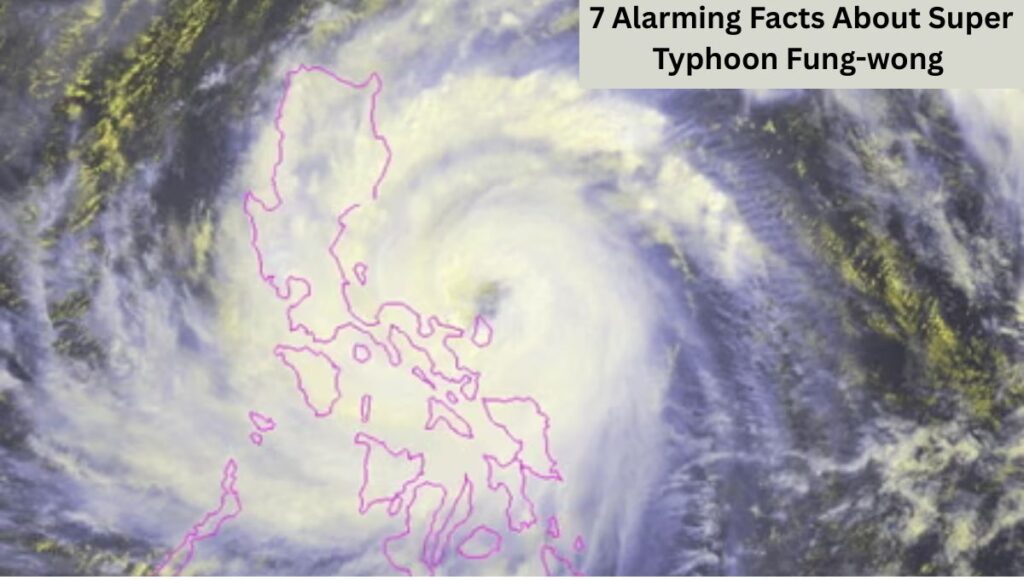
“It can cover almost the entire country,” said PAGASA forecaster Benison Estareja, warning that its massive 1,500 km (932-mile) circulation could engulf nearly the entire archipelago.
2. Over 100,000 Evacuated Nationwide
In anticipation of the super typhoon’s landfall, authorities ordered mass evacuations across eastern and northern Luzon, including Aurora, Bicol, and Catanduanes—areas expected to take a direct hit.
More than 100,000 residents fled their homes, moving into emergency shelters, churches, and schools converted into evacuation centers.
Images shared by the Philippine Coast Guard in Camarines Sur showed families wading through floodwaters, carrying small children, bags, and personal belongings as they boarded rescue trucks.
“We decided to evacuate because the recent typhoon brought floods in our area, and now I just want to keep my family safe,” said Norlito Dugan, who took shelter in a church in Sorsogon City.
3. 300 Flights Cancelled, Schools Closed, Government Shut Down
The Civil Aviation Authority of the Philippines announced the cancellation of more than 300 domestic and international flights, grounding operations at Manila’s Ninoy Aquino International Airport and other regional airports.
A memorandum from Malacañang Palace suspended government work and classes at all levels across Metro Manila and nearby provinces for Monday, November 10, as the storm continued to rage.
Private firms were left to decide individually whether to halt operations, though most businesses in coastal regions have shuttered amid fears of storm surges and flying debris.
4. Life-Threatening Conditions in Bicol and Aurora
The first region to feel the full brunt of Typhoon Fung-wong was the Bicol region, where life-threatening conditions were reported early Sunday morning.
By evening, Aurora province in central Luzon—projected to be the storm’s main point of landfall—was already enduring violent winds and torrential rainfall.
Catanduanes, a small island province east of Luzon, faced the storm’s most destructive winds. Storm surges crashed over coastal roads, and trees were uprooted by the powerful gusts.
“Waves near my house are now huge. The winds there are very strong,” said Maxine Dugan, a resident of Sorsogon.
Meteorologists warned that up to 200 millimetres (eight inches) of rain could fall in a short span, threatening to overflow major river basins and trigger widespread flooding.
5. Kalmaegi’s Deadly Legacy Compounds the Crisis
Even before Fung-wong, the Philippines was struggling with the devastation left behind by Typhoon Kalmaegi, which killed 204 people, injured hundreds, and left over 100 missing.
Entire towns in Cebu province were inundated by flash floods and mudslides, as clogged waterways and weakened infrastructure worsened the disaster’s impact.
In one heartbreaking scene, families in Cebu mourned around rows of white coffins.
“I told my family to swim, be brave and keep swimming,” said Jimmy Abatayo, who lost ten relatives. “They did not hear what I said. I will never see them again.”
The Philippine government declared a national state of calamity, unlocking emergency funds and allowing rapid procurement of essential goods. But recovery had barely begun before another storm struck.
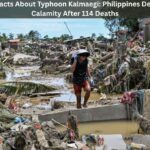
Also Read: 7 Devastating Facts About Typhoon Kalmaegi: Philippines Declares National Calamity After 114 Deaths
6. Vietnam Also Reeling as Fung-wong Follows Kalmaegi’s Path
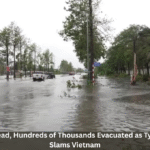
After slamming the Philippines, Typhoon Kalmaegi continued westward, killing five people in Vietnam, where winds uprooted trees, tore roofs off homes, and left 1.6 million households without power.
In central Vietnam’s Vung Cheo village, fishing boats lay wrecked along the shore, and hundreds of lobster farms were washed away.
Now, with Fung-wong expected to follow a similar trajectory, Vietnamese authorities have begun preparing for potential flooding, even as they continue to assess Kalmaegi’s destruction.
7. Climate Change Fuelling Super Typhoons
The twin disasters of Kalmaegi and Fung-wong underscore the growing threat posed by climate change in the western Pacific, the most active tropical cyclone basin on Earth.
While the number of typhoons has not significantly increased, scientists warn that warming oceans and hotter air are intensifying the storms that do form.
“Warmer oceans allow typhoons to intensify rapidly, and a warmer atmosphere holds more moisture, resulting in heavier rainfall,” said Benison Estareja, PAGASA meteorologist.
According to Kristen Corbosiero, an atmospheric sciences professor at the University at Albany, “The warm waters that fuel these storms are there almost year-round. Rising sea temperatures are making their destructive power worse.”
Eight consecutive years of record global ocean temperatures have given rise to stronger, wetter, and slower-moving storms — a deadly combination for island nations like the Philippines.
Areas on Highest Alert: PAGASA Warning Levels
The state weather bureau PAGASA raised Signal No. 5, its highest storm warning, across parts of southeastern Luzon, including:
- Catanduanes
- Camarines Norte
- Camarines Sur
Meanwhile, Metro Manila, Bulacan, Pampanga, and Nueva Ecija were placed under Signal No. 3, anticipating destructive winds and flooding by Monday morning.
Rescue Efforts Suspended, Coast Guard Mobilized
The government temporarily suspended all rescue operations to protect emergency personnel as winds intensified.
Coast Guard units, military forces, and local disaster councils have been deployed to strategic zones for rapid response once the storm passes.
The Department of Social Welfare and Development (DSWD) has prepositioned over ₱500 million ($8.6 million) worth of food packs and relief goods nationwide.
President Ferdinand Marcos Jr. has ordered a state of national emergency, directing all agencies to prioritize life-saving efforts and post-storm recovery.
Why the Philippines Is So Vulnerable
The Philippines lies directly along the Pacific typhoon belt, where around 20 tropical cyclones form each year — half of which hit the country directly.
Its dense population, mountainous terrain, and exposed coastlines make it one of the most disaster-prone nations on Earth.
Experts also point to urban overdevelopment, illegal logging, and poor drainage systems as reasons floods have become deadlier over time.
The Human Cost: Fear, Resilience, and Faith
In Aurora province, hotels and coastal resorts stood empty by Sunday afternoon. Staff boarded up windows, tied doors with ropes, and waited for the winds to subside.
“The police came several times to make sure we evacuated,” said Hagunoy, a 21-year-old hotel worker in Sabang. “I’ll stay until the last minute to guard the property, then ride home to safety.”
In Manila, residents are stockpiling water and food, while emergency hotlines broadcast constant updates. Churches are doubling as shelters, offering food and prayers for those displaced.
Scientists Warn: This Is the ‘New Normal’
The climate crisis is already supercharging rainfall events in the region. As warmer air holds more moisture, storms are now dumping record-breaking rainfall over shorter durations.
Environmentalists warn that the Philippines and Vietnam—nations that contribute the least to global emissions—are suffering the worst consequences of industrialized nations’ pollution.
“The Global South is paying the price for a crisis it didn’t cause,” said environmental advocate Maria Lacsamana. “Every typhoon now feels like a battle for survival.”
Hope Amid Chaos: Relief and Rebuilding Efforts Begin
Despite the devastation, scenes of solidarity and heroism have emerged. Volunteers are distributing food, blankets, and clean water, while local mayors have opened public schools as temporary shelters. Rescue teams are on standby with rubber boats and life vests for post-landfall operations.
International organizations, including the Red Cross and World Food Programme, have pledged emergency assistance, while Japan and Australia have offered aid packages to help rebuild destroyed infrastructure.
What Happens Next?
PAGASA predicts that Super Typhoon Fung-wong will weaken rapidly after making landfall but remain a strong typhoon as it crosses Luzon and exits toward the South China Sea.
By then, the government expects to begin damage assessment and relief distribution, focusing on Bicol, Aurora, and Central Luzon — the worst-hit regions.
Authorities remain on 24-hour alert, fearing that weakened riverbanks and saturated soil could still trigger deadly landslides in the coming days.
The Bigger Picture
The back-to-back devastation of Kalmaegi and Fung-wong illustrates the urgency of climate adaptation in Southeast Asia.
Experts urge governments to invest in disaster-resilient housing, modern drainage systems, and stronger early warning mechanisms.
For now, as Super Typhoon Fung-wong carves its path of destruction, millions across the Philippines are left praying for calmer skies.
“We’ve survived before. We will survive again,” said a volunteer in Quezon City, handing out bottled water at a storm shelter.
Bottom Line
- Super Typhoon Fung-wong (Uwan) has winds of 185 km/h, gusting to 230 km/h.
- 100,000+ people evacuated, 300 flights cancelled, schools and offices closed.
- 204 deaths from Typhoon Kalmaegi compound the humanitarian crisis.
- President Marcos Jr. declares a national emergency.
- Climate change continues to intensify storms, threatening the region’s future.
Also Read: Super Typhoon Fung-wong makes landfall in Philippines, two killed