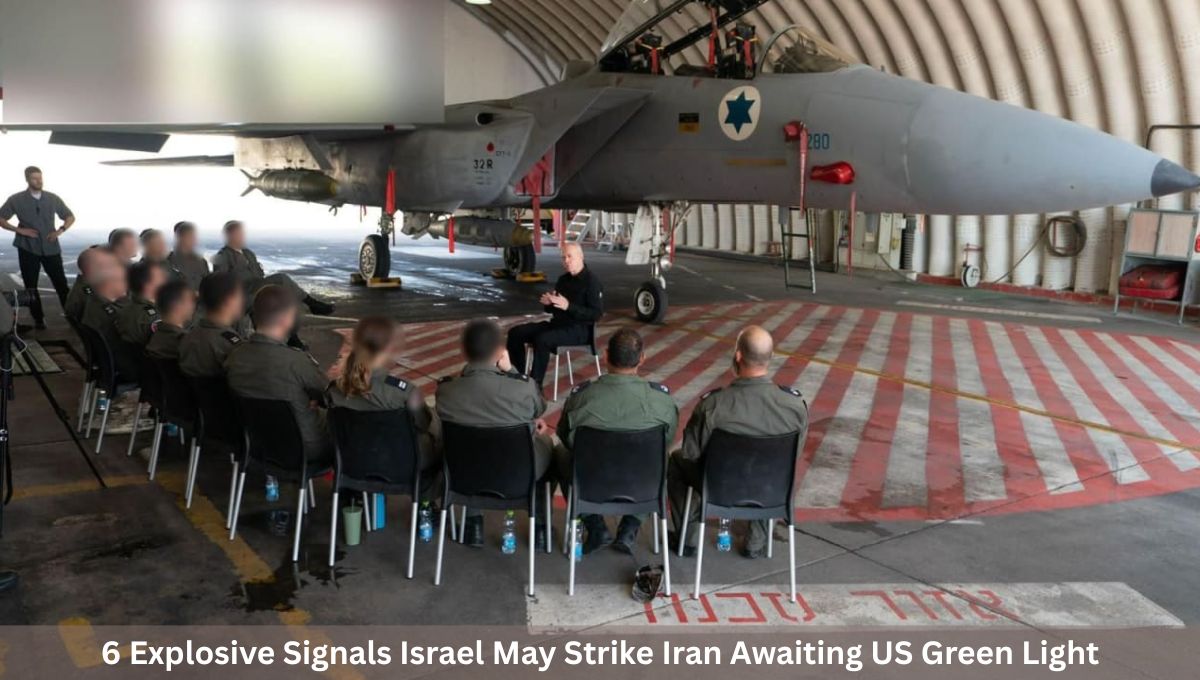
6 Explosive Signals Israel May Strike Iran Awaiting US Green Light amid fragile ceasefire tensions. Tensions in the Middle East have entered a dangerously volatile phase after Israel Katz issued one of the strongest warnings yet against Iran, declaring that Israel is fully prepared to launch a devastating military offensive—pending approval from Donald Trump and Washington.
Thank you for reading this post, don't forget to subscribe!The statement, which included a pledge to potentially “return Iran to the Stone Age,” signals a dramatic escalation not only in rhetoric but also in strategic intent.
With a fragile ceasefire in place and global energy markets already under stress, the implications extend far beyond the region.
This article breaks down the key developments, strategic shifts, and what this could mean for global stability.
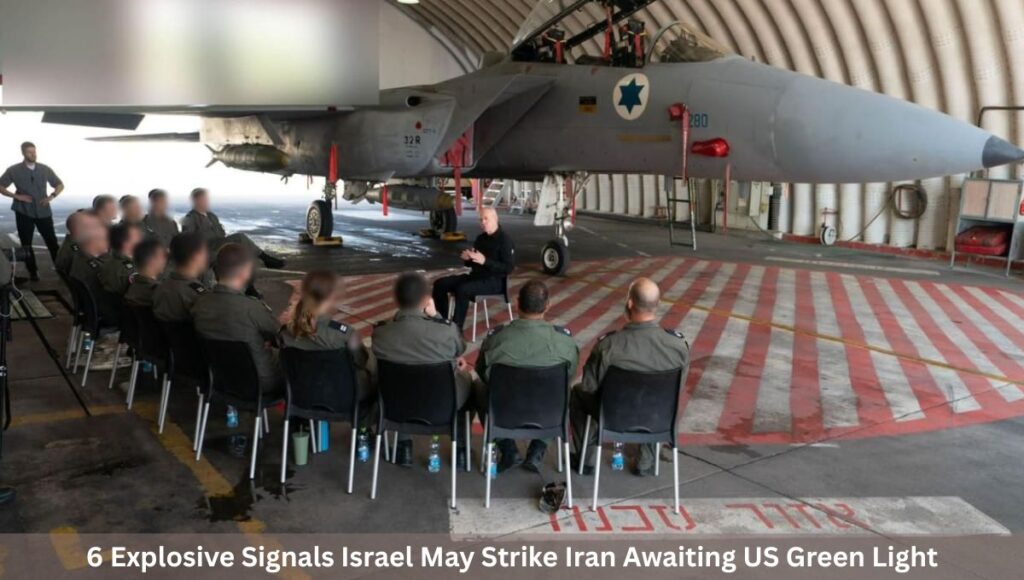
6 Explosive Signals Israel May Strike Iran Awaiting US Green Light
A Direct Warning: ‘Awaiting US Green Light’
In a video address following a high-level security review in Tel Aviv, Katz made it clear that Israel is no longer preparing for limited strikes—it is preparing for a decisive, system-wide offensive.
Key Statement Highlights
- Israel is ready both defensively and offensively
- Military targets have been fully identified and categorized
- The country is waiting for a “green light” from the United States
- Objectives include:
- Destroying energy infrastructure
- Crippling economic systems
- Targeting leadership structures
Katz framed the operation as one that would go beyond traditional military engagement, aiming instead at the core functioning of the Iranian state.
Shift in Strategy: From Military Targets to Economic Collapse
This marks a clear shift in Israel’s military doctrine regarding Iran.
Earlier Phases of Conflict
- Focus on:
- Nuclear facilities
- Missile systems
- Military installations
Current Strategic Direction
- Targeting:
- Power grids
- Energy production facilities
- Economic infrastructure
- National systems supporting civilian life
This evolution suggests a move toward systemic disruption rather than tactical strikes.
Why Infrastructure Is the New Battlefield
Modern warfare increasingly targets the systems that sustain a nation.
Potential Targets
- Oil refineries
- Electricity grids
- Communication networks
- Financial infrastructure
The rationale is straightforward:
- Disrupt governance
- Weaken economic resilience
- Increase internal pressure on leadership
However, such actions carry significant humanitarian and geopolitical risks, as they directly impact civilian populations.
The Ceasefire: Holding, But Barely
The warning comes during a fragile ceasefire between the United States and Iran, extended by Donald Trump to allow space for negotiations.
Current Status
- Ceasefire in effect since early April
- No clear diplomatic breakthrough
- Talks reportedly stalled
Israel has openly expressed skepticism about diplomacy, signaling a preference for decisive military outcomes.
Conflicting Signals From Washington
The United States is playing a complex dual role.
On One Hand
- Encouraging restraint
- Supporting diplomatic engagement
- Extending ceasefire timelines
On The Other
- Maintaining a naval blockade
- Increasing military presence
- Issuing warnings to Iran
Trump has also:
- Claimed control over the Strait of Hormuz
- Threatened further strikes if conditions are not met
This creates strategic ambiguity for allies like Israel.
The Strait of Hormuz Factor
The conflict is deeply tied to the control of the Strait of Hormuz, a critical artery for global energy supply.
Why It Matters
- Carries about 20% of global oil and gas
- Any disruption impacts:
- Oil prices
- Shipping routes
- Global inflation
Recent developments include:
- Ship seizures
- Naval blockades
- Restricted traffic
This has already caused significant volatility in global energy markets.
Iran’s Response: Control and Resistance
Iran has responded by asserting control over maritime routes and signaling resistance.
Key Actions
- Seizing foreign vessels
- Restricting passage through Hormuz
- Deploying naval and drone assets
Iran has also:
- Linked reopening of the strait to lifting US blockade
- Accused Western powers of escalation
The situation remains a high-risk standoff with no clear resolution.
Rhetoric Escalation: ‘Stone Age’ Warning
Katz’s statement echoes earlier rhetoric from US officials.
Notably, Pete Hegseth had previously used similar language, warning of pushing adversaries “back to the Stone Age.”
Why This Matters
- Signals alignment in tone between allies
- Indicates willingness to escalate
- Raises concerns of:
- Total war strategies
- Infrastructure-level destruction
Such language is often seen as a precursor to major strategic shifts.
Leadership Uncertainty Inside Iran
Another factor shaping the conflict is the reported instability within Iran’s leadership.
Claims Emerging
- Leadership struggles
- Lack of clear command structure
- Internal divisions
Donald Trump has publicly claimed that Iran is:
- “Divided”
- Facing internal power struggles
While these claims remain contested, they influence strategic calculations.
Military Build-Up in the Region
Both sides are increasing their military readiness.
Israel
- Finalized target lists
- Conducting security assessments
- Preparing for rapid escalation
United States
- Naval deployments
- Aircraft carriers in the region
- Expanded maritime operations
Iran
- Defensive positioning
- Naval operations
- Asymmetric warfare tactics
The region is effectively in a pre-escalation phase.
Global Economic Risks
The potential consequences extend far beyond the Middle East.
Immediate Risks
- Oil price spikes
- Shipping disruptions
- Trade delays
Broader Impact
- Inflation pressures worldwide
- Supply chain disruptions
- Financial market instability
Energy markets are particularly sensitive, with Hormuz disruptions already affecting pricing trends.
Humanitarian Concerns
Targeting infrastructure introduces serious humanitarian implications.
Potential Effects
- Power outages
- Water supply disruptions
- Healthcare system strain
These impacts:
- Affect civilian populations directly
- Increase international scrutiny
- Complicate post-conflict recovery
Diplomacy vs Military Action
At the heart of the crisis is a fundamental question:
Can Diplomacy Still Work?
Challenges include:
- Distrust between parties
- Conflicting objectives
- Domestic political pressures
Military Option
- Faster outcomes
- Higher risks
- Potential for escalation
Israel appears increasingly inclined toward the latter, while the US remains strategically ambivalent.
What Happens Next?
Several scenarios are possible:
1. Renewed Negotiations
- Ceasefire extended
- Gradual de-escalation
2. Limited Military Action
- Targeted strikes
- Controlled escalation
3. Full-Scale Offensive
- Infrastructure attacks
- Regional spillover
4. Prolonged Stalemate
- Continued tensions
- Economic pressure
At present, the situation remains fluid.
Conclusion: A Region on Edge
The latest warning from Israel Katz underscores how fragile the current pause in hostilities truly is.
With Israel prepared to act, the United States weighing its options, and Iran resisting pressure, the region stands at a critical crossroads.
What makes this moment particularly dangerous is not just the potential for renewed conflict—but the scale and nature of what that conflict could become.
A shift toward infrastructure warfare would mark a new phase—one with consequences that extend far beyond borders, impacting global energy, economics, and security.
For now, the world watches—and waits—for whether that “green light” will come.
Also Read: 10 Shocking Developments as Iran Strikes Near Israel Nuclear Site, over 100 Injured
Also Read: Israel eyes ‘total elimination’ of Khamenei dynasty, awaits US approval
Related Posts:
- 3 Explosive Conditions Iran Sets to End War with US…
- 10 Explosive Warnings as Donald Trump Calls Iran…
- 11 Explosive Warnings as Trump Vows to ‘Knock the…

- 7 Powerful Facts About Ayatollah Ali Khamenei’s…

- 10 Explosive Strikes: Israel Bombs Tehran Oil Depots…

- 9 Explosive Signals as Netanyahu Says Israel Is…