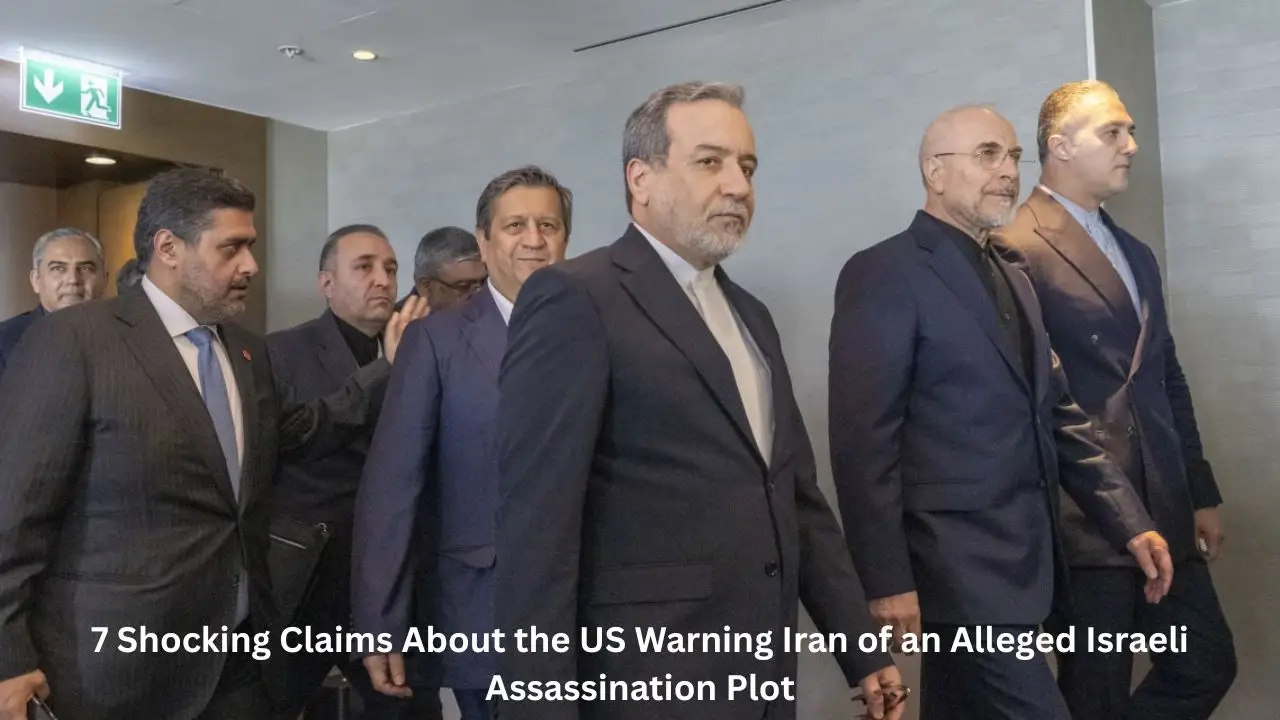
7 Shocking Claims About the US Warning Iran of an Alleged Israeli Assassination Plot against top negotiators. A new report has added another layer of intrigue to the already volatile relationship between the United States, Iran, and Israel.
According to multiple media outlets citing American and regional officials, the United States allegedly warned Iran through intermediaries that Israel might target two of Tehran’s senior political figures during sensitive diplomatic efforts aimed at reducing regional tensions.
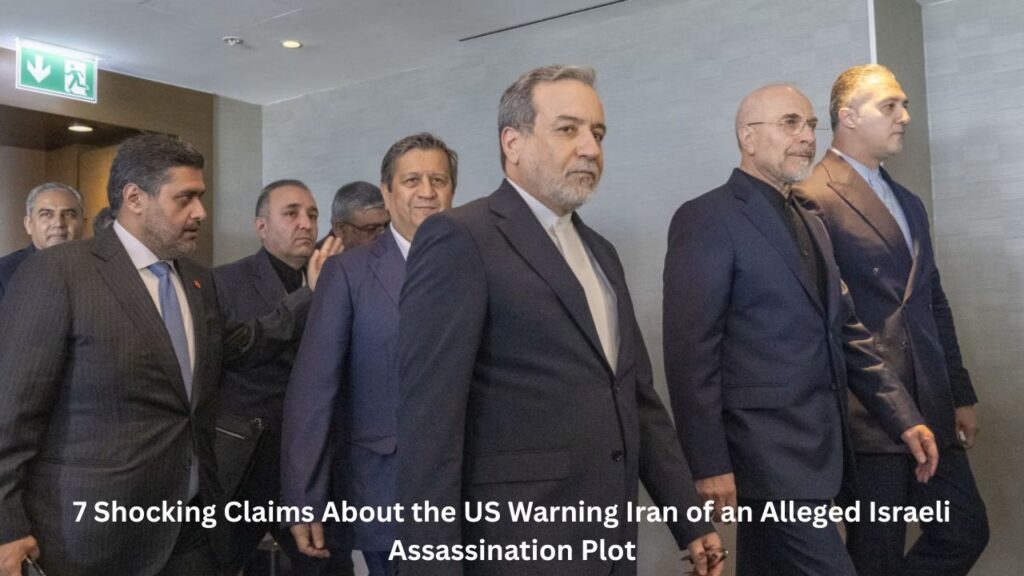
The reported warning involved Iranian Foreign Minister Abbas Araghchi and Parliament Speaker Mohammad Bagher Ghalibaf, both of whom were said to be playing key roles in ceasefire and diplomatic negotiations following months of military confrontation in the Middle East.
Neither the United States nor Israel has officially confirmed the reports, while Iran has not publicly verified receiving such a warning.
However, the story has sparked widespread debate about the behind-the-scenes diplomacy that may have helped prevent further escalation during one of the region’s most dangerous crises. Here are seven key facts about the reports and their potential implications.
7 Shocking Claims About the US Warning Iran of an Alleged Israeli Assassination Plot
1. Reports Claim the US Sent a Secret Warning to Iran
According to several media reports citing unnamed US and regional officials, Washington became concerned that Israel could target senior Iranian officials involved in diplomatic negotiations.
The reports claim that American officials asked one or more regional governments with communication channels to Tehran to pass along a warning that any attack on Iran’s lead negotiators could severely undermine ongoing diplomatic efforts and increase the risk of a wider regional conflict.
The alleged message was reportedly intended to reduce the chances of an escalation at a time when indirect talks and ceasefire discussions were gaining momentum.
It is important to note that these claims are based on anonymous sources and have not been independently confirmed by official statements from the governments involved.
2. Abbas Araghchi and Mohammad Bagher Ghalibaf Were Reportedly the Targets
The reports identify two of Iran’s most senior political figures as the alleged potential targets.
Abbas Araghchi
Iran’s Foreign Minister has long been one of Tehran’s leading diplomats and has played a central role in nuclear negotiations and recent regional diplomacy.
During the latest crisis, Araghchi reportedly served as one of Iran’s principal representatives in indirect contacts concerning a ceasefire and de-escalation.
Mohammad Bagher Ghalibaf
The Speaker of Iran’s Parliament is considered one of the country’s most influential political leaders.
A former military commander and presidential candidate, Ghalibaf has held several senior positions within Iran’s political establishment and is viewed as an important figure in shaping national security policy.
According to the reports, US officials feared that attacks against either leader could derail diplomatic engagement and trigger a broader confrontation.
3. The Alleged Warning Was Sent Through Regional Intermediaries
Rather than communicating directly with Tehran, the reports suggest that Washington relied on trusted regional partners that maintain diplomatic relations with both sides.
Although the countries involved have not been officially identified, Gulf states and other regional governments have frequently acted as intermediaries between Washington and Tehran during periods when direct communication has been limited.
Using intermediaries is a common feature of Middle East diplomacy, particularly during times of heightened military tensions.
If accurate, the reported approach would be consistent with previous indirect communication channels used during crises involving Iran and the United States.
4. The Claims Come Amid a Fragile Ceasefire
The timing of the reports is significant. They emerged shortly after the end of a major military confrontation involving Iran and Israel that raised fears of a wider regional war.
Following weeks of missile exchanges, airstrikes, and military operations, international diplomatic efforts intensified to secure a ceasefire and prevent additional escalation.
According to the reports, US officials believed that any assassination of senior Iranian negotiators during this delicate period could have:
- Ended diplomatic contacts.
- Triggered Iranian retaliation.
- Increased the likelihood of direct military confrontation.
- Destabilized ceasefire efforts across the region.
The alleged warning therefore reflected broader concerns about preserving diplomatic momentum rather than supporting either side politically.
5. No Official Confirmation Has Been Issued
Despite the widespread attention the reports have received, no government has officially confirmed the alleged warning.
United States
The US administration has not publicly acknowledged sending such a message to Iran.
Israel
Israeli officials have not confirmed the existence of any alleged assassination plan and have not commented in detail on the reports.
Iran
Iranian authorities have likewise not officially confirmed receiving a warning through regional intermediaries.
The absence of formal confirmation means that many details remain unverified. As with many reports involving intelligence and diplomatic communications, the full picture may not become public for some time.
6. The Reports Highlight Quiet Crisis Diplomacy
Whether or not every reported detail is ultimately confirmed, the story illustrates the importance of behind-the-scenes diplomacy during international crises.
Throughout recent tensions, several regional countries reportedly worked to:
Prevent Miscalculation
Indirect communication can reduce the risk of misunderstandings that might otherwise lead to military escalation.
Protect Negotiations
Maintaining contact with all parties helps preserve opportunities for diplomatic solutions even when formal relations are strained.
Reduce Regional Instability
Preventing attacks on senior political figures involved in negotiations may help sustain ceasefire efforts and broader regional dialogue.
Diplomatic experts often note that unofficial communication channels can play a critical role in crisis management, especially in conflicts involving multiple regional actors.
7. The Allegations Reflect Continuing Tensions Between Iran and Israel
Even if the reported warning helped avoid an immediate crisis, it underscores the deep mistrust that continues to define relations between Iran and Israel.
The two countries remain strategic rivals across several fronts, including:
- Regional influence.
- Missile development.
- Proxy conflicts.
- Intelligence operations.
- Nuclear-related concerns.
Although recent diplomatic initiatives have reduced the immediate risk of large-scale conflict, analysts believe tensions remain high and that future incidents could quickly reignite hostilities.
The reported warning—if accurate—suggests that major powers continue to view escalation as a serious concern requiring active diplomatic intervention.
Why the Report Matters Globally
The alleged US warning has implications well beyond the Middle East.
Global Energy Markets
Any renewed conflict involving Iran and Israel could threaten shipping routes, including the Strait of Hormuz, through which roughly one-fifth of the world’s oil supply passes.
International Diplomacy
The reports demonstrate how rival governments may quietly cooperate to avoid unintended escalation even while maintaining significant political disagreements.
Nuclear Negotiations
Diplomatic engagement between Iran and the international community could become more difficult if senior negotiators perceive heightened security threats.
Regional Stability
The Middle East remains a critical region for global trade, energy security, and international security cooperation. Preventing escalation continues to be a priority for many governments.
What Remains Unclear
Several important questions remain unanswered:
- Did Israel actually develop an operational plan?
- Which regional countries allegedly transmitted the warning?
- What intelligence prompted US concerns?
- How did Iran reportedly respond?
- Were additional diplomatic messages exchanged?
Until governments release further information, many aspects of the story will remain based on anonymous sourcing and media reporting.
Looking Ahead
Diplomatic observers will continue monitoring developments between Iran, Israel, and the United States as regional tensions evolve.
Future negotiations over regional security, sanctions, nuclear issues, and maritime stability could all be influenced by the level of trust—or mistrust—among the three governments.
If confirmed, the reported warning would highlight how even adversaries may engage in discreet crisis management when the risks of escalation become too great.
At the same time, the lack of official confirmation serves as a reminder that intelligence-related reporting should be treated cautiously until corroborated by authoritative sources.
Conclusion
Reports that the United States quietly warned Iran about an alleged Israeli assassination plot targeting senior negotiators have drawn global attention because they suggest intense behind-the-scenes diplomacy during one of the Middle East’s most volatile periods.
While the claims remain unconfirmed by Washington, Tehran, and Jerusalem, they underscore the high stakes involved in regional ceasefire efforts and the delicate balance between military deterrence and diplomatic engagement.
As geopolitical tensions continue to shape the region, the episode—if substantiated—would illustrate how discreet communication channels can play a vital role in preventing wider conflict.
For now, the story remains a developing one, and further official clarification will be essential to fully understand what transpired behind closed doors.
Also Read: Iran’s President Accuses Israel of Assassination Attempt, says US Dialogue Still Possible
Also Read: Trump’s team feared Israel wanted to kill Iranian negotiators to derail US-Iran talks: Report
Related Posts:
- 7 Powerful Insights on Ghalibaf as Trump’s Iran Deal Partner

- 7 Powerful Facts About Ayatollah Ali Khamenei’s…
- 3 Explosive Conditions Iran Sets to End War with US…
- 9 Explosive Claims as Trump Says US Winning Iran War

- 5 Major Takeaways from the US Supreme Court's…

- 10 Explosive Warnings as Donald Trump Calls Iran…