
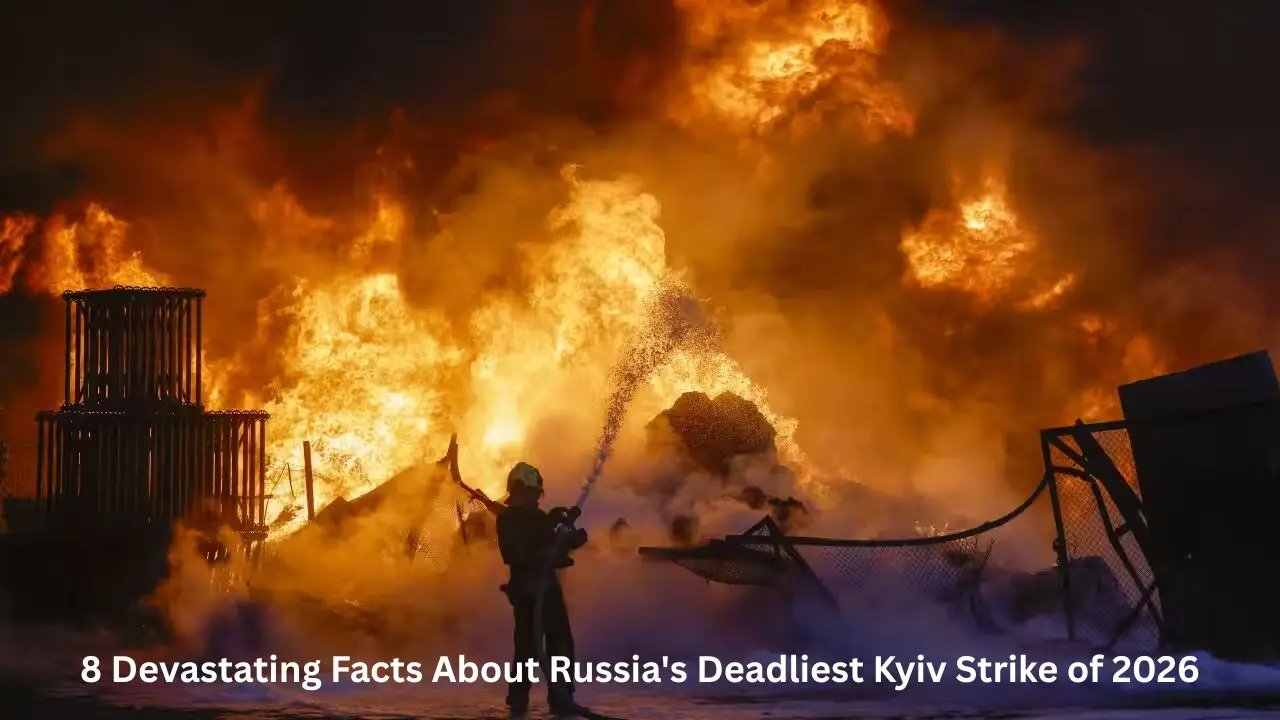
8 Devastating Facts About Russia’s Deadliest Kyiv Strike of 2026 that killed dozens. Ukraine has endured one of the darkest days of the war after Russia launched its largest and deadliest aerial assault on Kyiv this year.
Hundreds of drones and dozens of missiles rained down on the Ukrainian capital and surrounding regions in a coordinated overnight attack that left at least 30 people dead, injured more than 150 others, and caused widespread destruction across residential neighborhoods, hospitals, schools, hotels, and critical infrastructure.
According to Ukrainian authorities, Russia launched 496 drones and 74 missiles, making it one of the most extensive combined aerial operations since the full-scale invasion began in 2022.
Although Ukraine’s air defense systems intercepted the vast majority of incoming threats, several projectiles penetrated defenses, causing devastating casualties and extensive damage.
The attack has triggered renewed international condemnation, intensified calls for additional military assistance to Ukraine, and highlighted the growing scale of Russia’s long-range strike campaign.
Here are eight key facts that explain what happened and why this attack could become a turning point in the conflict.
8 Devastating Facts About Russia’s Deadliest Kyiv Strike of 2026
1. Russia Launched Its Largest Air Assault of 2026
Ukrainian officials described the attack as the biggest coordinated missile and drone strike against Kyiv this year.
According to Ukraine’s Air Force, Russia fired:
- 496 attack drones, including Shahed-type loitering munitions and decoys.
- 74 missiles, including ballistic and cruise missiles.
- Multiple waves of aerial attacks lasting several hours overnight.
The assault targeted Kyiv alongside other regions, overwhelming air raid warning systems and forcing millions of residents to seek shelter.
Military analysts say the sheer number of drones was intended to saturate Ukraine’s air defenses before missile strikes targeted strategic locations.
2. At Least 30 People Were Killed
The human cost of the attack continues to rise.
Emergency officials reported that at least 30 civilians were killed, while more than 150 people suffered injuries, making it one of Kyiv’s deadliest attacks in recent months.
Rescue operations continued for hours after the strikes as firefighters, police officers, volunteers, and emergency crews searched damaged apartment buildings for survivors.
Officials warned that the casualty figures could increase further as recovery efforts continued at multiple collapsed structures.
3. Nearly Every District of Kyiv Was Affected
The strikes caused destruction across almost every district of the Ukrainian capital.
Authorities reported damage to:
- Apartment complexes
- Schools
- Hospitals
- Hotels
- Office buildings
- Transportation infrastructure
- Electricity facilities
- Vehicles
- Commercial properties
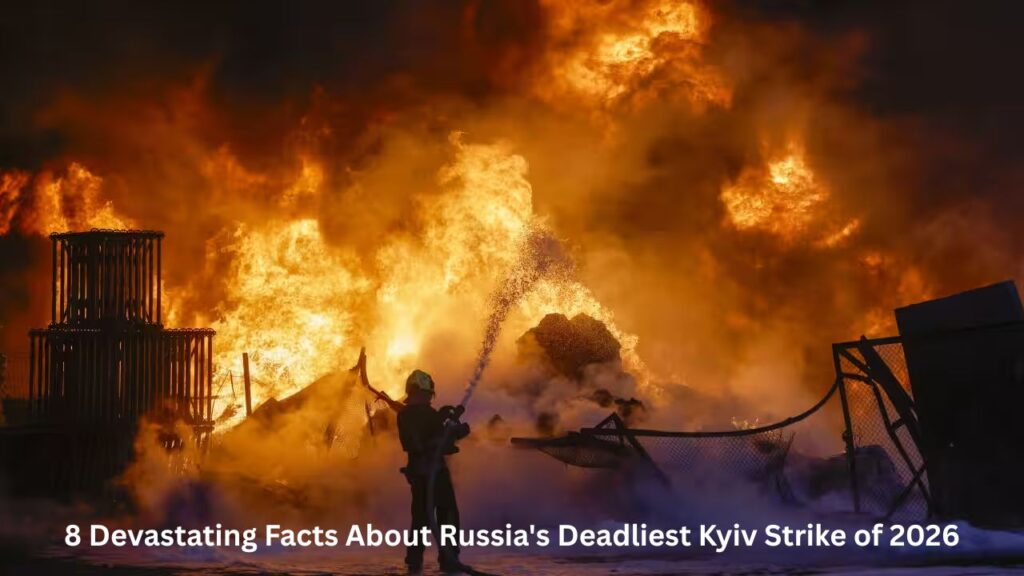
Large fires erupted in several neighborhoods, sending thick smoke across the city.
Witnesses described hearing continuous explosions throughout the night as drones and missiles approached from multiple directions.
4. Ukraine’s Air Defenses Prevented Even Greater Destruction
Despite the unprecedented scale of the assault, Ukraine’s air defense systems intercepted most incoming weapons.
According to the Ukrainian Air Force:
- Hundreds of drones were destroyed before reaching their targets.
- Nearly all Iskander ballistic missiles and Zircon hypersonic missiles launched during the attack were intercepted.
- Air defense units worked continuously throughout the night to defend Kyiv and surrounding regions.
Military officials credited Western-supplied air defense systems, including Patriot batteries and other advanced interceptors, with preventing significantly higher casualties.
However, officials noted that even a small percentage of successful strikes can cause catastrophic damage when hundreds of projectiles are launched simultaneously.
5. Tens of Thousands Sought Refuge Underground
The attack prompted one of the largest civilian shelter operations seen in Kyiv this year.
According to city authorities, approximately 52,500 people sought protection inside Kyiv’s metro stations during the bombardment.
The underground railway system once again served as a massive public shelter, with families, elderly residents, children, and pets spending hours beneath the city while explosions echoed above.
Many residents described the attack as one of the longest and most frightening nights since Russia’s full-scale invasion began.
6. Volunteer Rescuers Played a Critical Role
As emergency sirens faded, volunteer rescue teams joined firefighters and emergency responders in searching through damaged buildings.
Across Kyiv:
Volunteers Removed Debris
Residents formed human chains to clear rubble from collapsed apartment blocks.
Medical Assistance Expanded
Volunteer doctors and paramedics treated injured civilians before ambulances arrived.
Community Support
Local organizations distributed food, water, blankets, and emergency supplies to displaced families.
Officials praised the resilience of Kyiv’s residents, saying community volunteers once again demonstrated remarkable courage under dangerous conditions.
7. President Zelenskyy Calls for More International Support
Following the attack, Ukrainian President Volodymyr Zelenskyy condemned Russia’s actions and renewed calls for additional military assistance.
He argued that Ukraine requires:
- More Patriot air defense systems.
- Additional interceptor missiles.
- Greater international sanctions against Russia.
- Expanded security cooperation with allies.
- Faster delivery of military equipment.
Zelenskyy emphasized that large-scale missile attacks remain one of the country’s greatest security challenges despite improvements in Ukraine’s air defense capabilities.
8. International Condemnation Intensifies
The latest attack has prompted strong reactions from governments and international organizations.
The United Nations condemned the continued attacks on civilians and reiterated calls for compliance with international humanitarian law.
European leaders described the strikes as another reminder of the ongoing humanitarian crisis created by the war.
Several Western governments reaffirmed their commitment to supporting Ukraine’s defense while emphasizing the need to protect civilian infrastructure.
Diplomatic discussions are expected to continue regarding additional sanctions, reconstruction assistance, and expanded military aid.
Why Russia Is Increasing Drone Attacks
Military experts believe Russia’s strategy has evolved over the past year.
Instead of relying primarily on missiles, Russia increasingly launches massive numbers of drones to:
Saturate Air Defenses
Large drone swarms force defenders to expend interceptor missiles before higher-value ballistic and cruise missiles arrive.
Exhaust Military Resources
Repeated large-scale attacks place significant pressure on Ukraine’s air defense inventory.
Damage Infrastructure
Power stations, transportation networks, industrial facilities, and residential neighborhoods remain frequent targets.
Psychological Pressure
Frequent overnight attacks are intended to disrupt civilian life and weaken public morale.
The Humanitarian Impact
Beyond the immediate casualties, the strikes have deepened Ukraine’s humanitarian crisis. Thousands of residents have been temporarily displaced after apartment buildings became uninhabitable.
Hospitals treated large numbers of trauma patients while emergency services responded simultaneously to fires, collapsed buildings, and damaged infrastructure.
Children, elderly residents, and vulnerable communities continue to face repeated displacement as air raid alerts become an almost daily occurrence.
Aid organizations warn that repeated attacks on civilian areas increase long-term humanitarian needs, including housing, healthcare, and psychological support.
Global Implications
The attack carries consequences far beyond Ukraine.
European Security
The continued escalation reinforces concerns about long-term regional stability.
Energy Infrastructure
Repeated strikes on infrastructure may affect electricity supplies and reconstruction efforts.
Defense Spending
European governments continue increasing investments in air defense and military readiness.
Diplomatic Efforts
The renewed violence complicates any prospects for near-term peace negotiations.
International Law
The targeting of civilian areas has renewed calls for accountability under international humanitarian law.
What Happens Next?
Military analysts expect Russia to continue combining drones, cruise missiles, and ballistic missiles in future attacks.
Ukraine is likely to prioritize:
- Strengthening integrated air defenses.
- Expanding domestic drone production.
- Improving early-warning systems.
- Accelerating military cooperation with Western allies.
Meanwhile, emergency crews continue recovery operations across Kyiv as investigators assess the full extent of the destruction.
Conclusion
Russia’s latest aerial assault on Kyiv stands as one of the most destructive attacks on the Ukrainian capital in 2026, underscoring the evolving intensity of the war.
Although Ukraine’s air defense systems intercepted the overwhelming majority of the nearly 570 drones and missiles launched, the sheer scale of the barrage still resulted in tragic civilian losses and widespread damage.
The attack highlights both the resilience of Ukraine’s emergency responders and citizens and the growing challenges posed by increasingly sophisticated and coordinated Russian strike tactics.
As international leaders renew calls for greater military support and diplomatic efforts, the events in Kyiv serve as a stark reminder that the conflict continues to have profound humanitarian, political, and global security consequences.
Also Read: NATO Scrambles Jets as Russia Launches Record Drone and Missile Attack on Ukraine
Also Read: Russian Offensive Campaign Assessment, July 2, 2026
Related Posts:
- 5 Major Takeaways from the US Supreme Court's…

- 7 Heartbreaking Facts About Venezuela's Earthquake Disaster
- In 8 Moves, EU Targets China-Linked Refineries and…

- 7 Powerful Measures: Trump Sanctions Russian Oil…

- 7 Powerful Facts About Ayatollah Ali Khamenei’s…

- Afghanistan–Pakistan War 2025: Inside the 48-Hour Ceasefire
