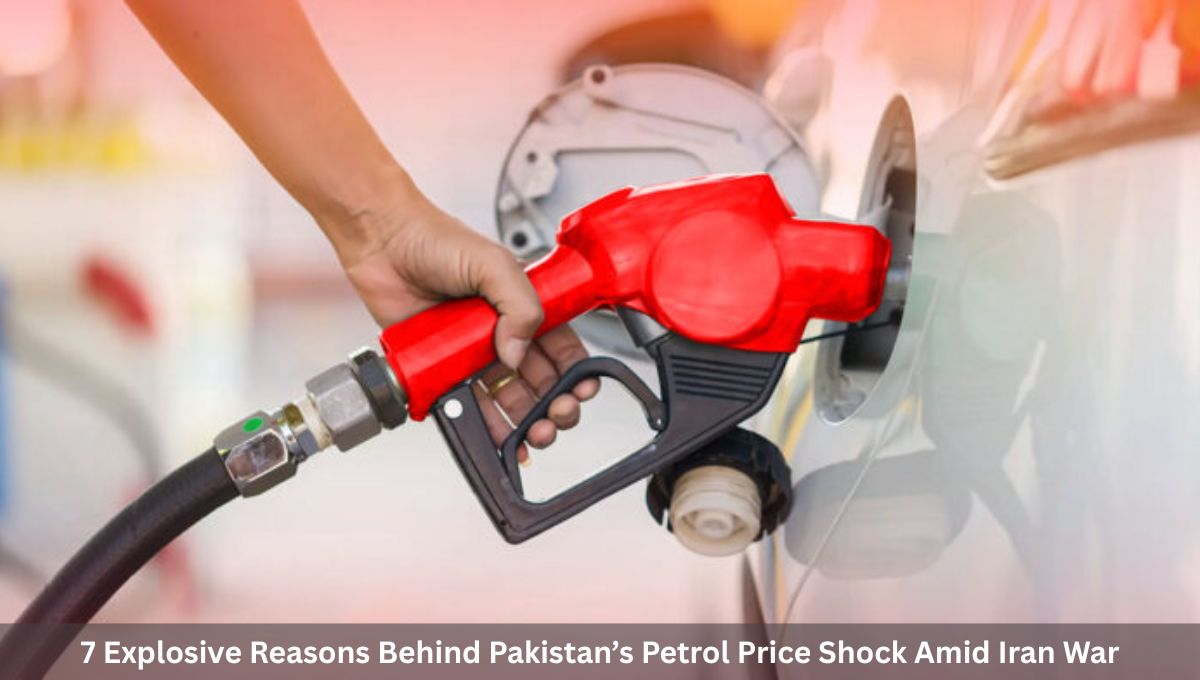
7 Explosive Reasons Behind Pakistan’s Petrol Price Shock Amid Iran War — protests erupt. Pakistan has found itself at the center of a deepening global energy crisis, as escalating tensions in the Middle East sent oil prices soaring and forced the government into a dramatic — and controversial — fuel price hike.
Thank you for reading this post, don't forget to subscribe!What followed was a rapid policy reversal, widespread protests, and renewed concerns about economic stability.
The chain reaction highlights how geopolitical conflicts—particularly those involving key oil routes—can ripple across economies far beyond the battlefield.
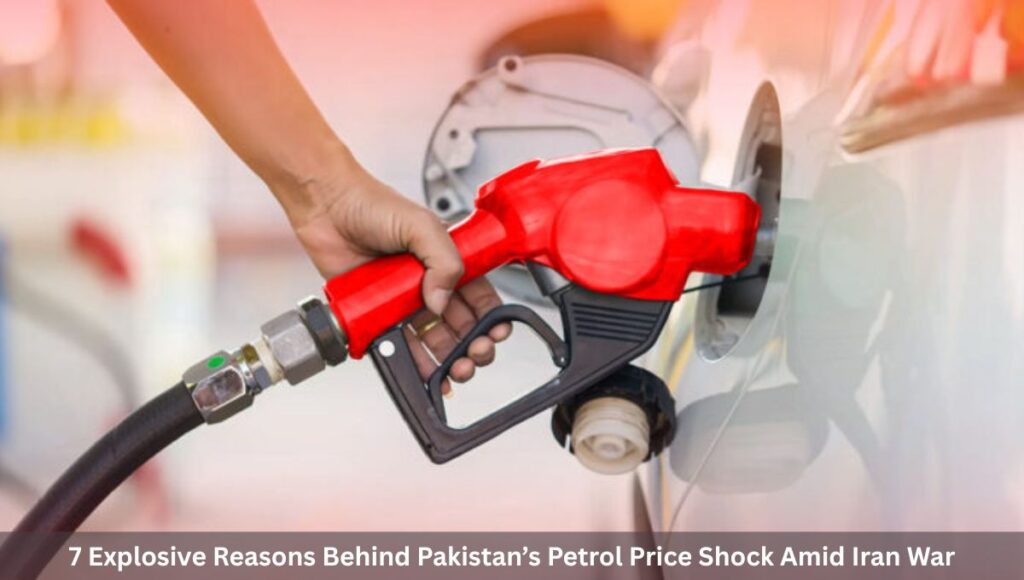
7 Explosive Reasons Behind Pakistan’s Petrol Price Shock Amid Iran War
Pakistan’s Unprecedented Fuel Price Hike
In response to skyrocketing global oil prices, Pakistan’s government announced one of the steepest fuel price increases in its history on April 3, 2026.
Key Price Changes:
- Petrol: Increased by ₹137.23 per litre (42.7%) to ₹458.41
- High-Speed Diesel (HSD): Increased by ₹184.49 per litre (55%) to ₹520.35
- Kerosene: Increased by ₹34.08 per litre
The move was described as a “difficult decision” by Petroleum Minister Ali Pervaiz Malik, who emphasized the need to balance fiscal discipline with economic stability.
Why Such a Sharp Increase?
According to officials, several factors forced the government’s hand:
- Rapid surge in global crude oil prices
- Depletion of fiscal space after ₹129 billion in subsidies
- Rising domestic consumption (8% increase in petrol, 13% in diesel)
- Pressure to align with international market rates
Advisor Khurram Shehzad noted that the government had delayed passing on the full impact for weeks, absorbing costs until it became unsustainable.
Petroleum Levy Adjustments: A Strategic Move
To cushion the blow, the government adjusted petroleum levies:
- Petrol levy increased from ₹105 to ₹160 per litre
- Diesel levy reduced to zero
This approach aimed to reduce the burden on sectors heavily reliant on diesel, such as agriculture and transport.
However, for everyday consumers—especially urban commuters—the impact of petrol price hikes was immediate and severe.
Public Backlash and Protests
The price hike triggered widespread outrage across Pakistan. Long queues formed at petrol stations, and protests erupted in major cities including Lahore and Karachi.
Many citizens described the move as a “petrol bomb” on an already struggling population.
With inflation already high, the sudden spike in fuel costs threatened to push basic living expenses even further out of reach.
Rapid Policy Reversal by Shehbaz Sharif
Facing mounting pressure, Prime Minister Shehbaz Sharif announced a dramatic rollback within 24 hours.
Key Rollback Measures:
- Petrol price reduced by PKR 80 per litre
- New petrol price set at PKR 378 per litre
- Reduction funded through a cut in petroleum levy
Sharif stated that the revised price would remain in effect for at least one month, offering temporary relief to consumers.
Subsidies and Relief Measures
To mitigate the economic impact, the government introduced a comprehensive relief package:
Targeted Subsidies:
- Motorbike users: ₹100 per litre subsidy (up to 20 litres/month)
- Small farmers: ₹1,500 per acre one-time assistance
- Goods transport: ₹70,000 monthly support
- Public transport buses: ₹100,000 monthly subsidy
Additionally:
- Free public transport announced in some regions
- Pakistan Railways fares kept unchanged for economy class
These measures were aimed at protecting vulnerable groups and preventing a broader economic slowdown.
Austerity Measures: Government Tightens Belt
In a bid to maintain fiscal discipline, the government introduced austerity measures:
- Federal cabinet members to forgo salaries for six months
- Development budget cut by ₹100 billion
- Government offices shifted to a four-day workweek
- Schools extended holidays and moved some classes online
These steps underscore the severity of the crisis and the government’s attempt to conserve resources.
Economic Impact: Inflation and Poverty Risks
Pakistan’s economy was already under strain before the crisis. Classified as a lower-middle-income country, nearly 25% of its population lives below the poverty line.
The fuel price hike threatens to:
- Increase transportation costs
- Raise food and commodity prices
- Accelerate inflation
- Reduce household purchasing power
The International Monetary Fund has warned that countries like Pakistan face compounded risks from:
- Energy price shocks
- Supply chain disruptions
- Rising food and fertilizer costs
Regional Ripple Effects
Pakistan is not alone in facing the fallout.
Several countries across Asia have taken similar steps:
- Bangladesh raised LPG and CNG prices by 29%
- Other economies are exploring subsidies and austerity measures
The crisis highlights the interconnected nature of global energy markets and the vulnerability of import-dependent nations.
Pakistan’s Oil Dependency Problem
Pakistan relies heavily on imported oil, primarily from Gulf countries. Most of this supply passes through the Strait of Hormuz, making the country extremely sensitive to disruptions.
Structural Challenges:
- Limited domestic energy production
- High reliance on fossil fuel imports
- Currency depreciation increasing import costs
Until these structural issues are addressed, Pakistan will remain exposed to global shocks.
Political and Social Implications
The fuel crisis has significant political ramifications:
- Public trust in government policies has been shaken
- Opposition parties have criticized the handling of the crisis
- Social unrest could intensify if inflation persists
The government’s swift rollback indicates a recognition of these risks.
Support from Public Figures
Interestingly, former cricket star Shahid Afridi publicly supported the government’s decision, urging citizens to cooperate during the crisis.
His message emphasized national unity and resilience in the face of global challenges.
Impact on Daily Life and Industries
The fuel crisis has already begun affecting multiple sectors:
Transportation:
- Higher fuel costs increase fares
- Logistics and supply chains disrupted
Agriculture:
- Diesel price hikes impact irrigation and harvesting
Sports and Entertainment:
- Pakistan Super League (PSL) scaled down to fewer cities
- Opening ceremony canceled to cut costs
These changes illustrate how deeply the crisis is affecting everyday life.
Global Perspective: Why This Matters Beyond Pakistan
This crisis is not just a domestic issue—it reflects broader global vulnerabilities:
- Energy security remains a critical concern
- Geopolitical tensions can destabilize economies worldwide
- Developing nations are disproportionately affected
For global audiences, Pakistan’s experience serves as a case study in how quickly economic conditions can deteriorate under external shocks.
What Happens Next?
The situation remains highly uncertain.
Key factors to watch include:
- Stability of oil supply routes
- Progress in diplomatic efforts in the Middle East
- Pakistan’s ability to sustain subsidies
- Inflation trends in the coming months
If global oil prices remain elevated, Pakistan may face further difficult decisions.
Conclusion: A Crisis Still Unfolding
Pakistan’s fuel price shock is a stark reminder of the fragile balance between global geopolitics and domestic economic stability.
The rapid hike—and equally rapid rollback—reflect the immense pressure governments face in navigating such crises.
While short-term relief measures may ease public anger, the underlying challenges remain unresolved.
As the Middle East conflict continues, the risk of further economic disruption looms large—not just for Pakistan, but for the world.
Also Read: 7 Powerful Developments as Iran Allows Pakistani Ships Through Hormuz Amid War Tensions
Also Read: Petrol shock, free rides & more: How is Pakistan dealing with Hormuz energy crisis
Related Posts:
- 3 Explosive Conditions Iran Sets to End War with US…
- 9 Explosive Claims as Trump Says US Winning Iran War

- 10 Powerful Revelations from the Trump–Putin Call on…

- 7 Powerful Measures: Trump Sanctions Russian Oil…

- Afghanistan–Pakistan War 2025: Inside the 48-Hour Ceasefire

- 7 Powerful Facts About Ayatollah Ali Khamenei’s…