
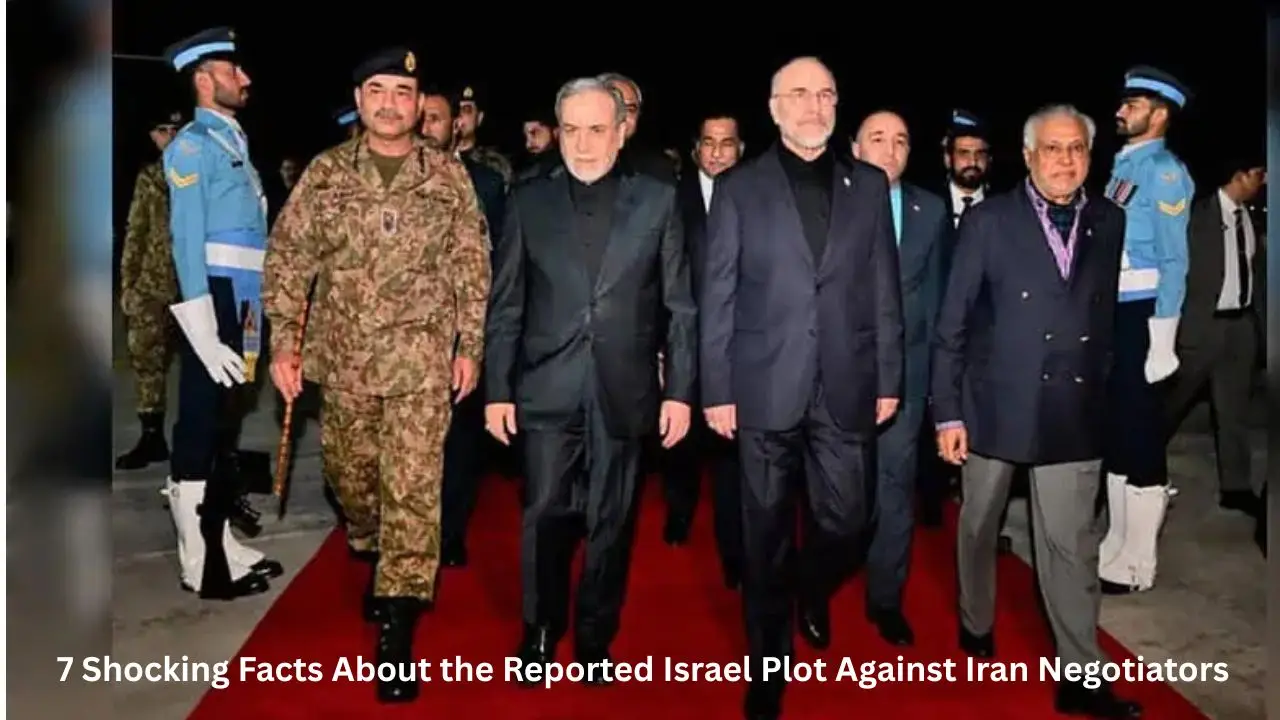
7 Shocking Facts About the Reported Israel Plot Against Iran Negotiators during U.S.-Iran nuclear talks that sparked global debate. Fresh reports alleging that Israel considered targeting two of Iran’s most senior officials during sensitive diplomatic negotiations have ignited international debate over the shadow conflict between Tehran and Jerusalem.
According to reports citing unnamed U.S. officials and intelligence assessments, Washington became concerned that Israel could launch strikes against Iran’s chief negotiators while indirect talks with the United States were underway.
The claims quickly gained worldwide attention, with several international media organizations reporting that U.S. officials took unusual diplomatic steps to warn regional governments about the possibility of an attack.
However, Israel has categorically rejected the reports, describing them as false and insisting that no such assassination plan existed. The episode has highlighted the deep mistrust between the United States, Israel, and Iran, while raising fresh questions about how close the region may have come to a major escalation.
Here are the seven key facts behind the controversy.
7 Shocking Facts About the Reported Israel Plot Against Iran Negotiators
1. Reports Claimed Two Senior Iranian Officials Were Potential Targets
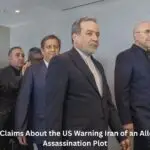
The reports centered on two of Iran’s most prominent officials:
- Foreign Minister Abbas Araghchi, who has led Iran’s diplomatic engagement with the United States.
- Parliament Speaker Mohammad Bagher Ghalibaf, one of the country’s most influential political figures.
According to reports citing U.S. officials familiar with intelligence assessments, Washington believed Israel might attempt to strike the officials while diplomatic contacts were continuing.
The reports suggested that the concern was serious enough for American officials to take preventive diplomatic measures.
Importantly, no public evidence has been released showing that an operational assassination plan actually existed.
2. The United States Reportedly Warned Regional Partners
Several reports stated that the United States contacted governments across West Asia after receiving intelligence indicating a possible Israeli operation.
According to those reports, Washington hoped regional governments with communication channels to Tehran would quietly relay warnings to Iranian authorities.
The objective, according to media accounts, was to reduce the risk of an incident that could derail diplomatic efforts or trigger a broader regional war.
Neither the White House nor the U.S. State Department has publicly confirmed the specific intelligence described in the reports.
3. Israel Has Firmly Rejected the Allegations
Israeli officials have strongly denied that any assassination operation against Iran’s negotiators was planned.
Officials described the reports as inaccurate and dismissed claims that Israel intended to attack diplomatic representatives during negotiations.
The denial has been widely reported by Israeli and international media, with officials maintaining that the allegations are based on false information rather than verified intelligence.
As of now, Israel has provided no further public explanation beyond rejecting the reports outright.
4. The Story Emerged Amid Extremely High Regional Tensions
The allegations surfaced only weeks after one of the most dangerous confrontations between Israel and Iran in recent history.
The conflict involved missile attacks, drone strikes, cyber operations, and direct military exchanges that significantly increased fears of a wider regional war.
Although diplomatic contacts between Washington and Tehran continued intermittently, trust remained extremely low.
Against this backdrop, even unconfirmed reports of a possible assassination plot immediately attracted worldwide attention because of the potential consequences.
5. Diplomacy and Military Pressure Were Happening Simultaneously
The controversy illustrates the complicated relationship between diplomacy and military strategy in the Middle East.
While negotiators explored possible diplomatic solutions to longstanding disputes—including Iran’s nuclear program and regional security—military planning reportedly continued across several governments.
Analysts note that diplomatic negotiations often occur alongside intelligence operations and military contingency planning, particularly during periods of heightened conflict.
However, there is no publicly available evidence confirming that Israel authorized or prepared a mission to assassinate Iranian negotiators.
6. The Reports Have Sparked Debate Over Intelligence and Anonymous Sources
Much of the reporting relied on unnamed current and former U.S. officials familiar with intelligence assessments.
That has prompted debate among analysts regarding how intelligence should be interpreted before being presented as established fact.
Some experts argue that governments frequently prepare for worst-case scenarios without necessarily intending to carry them out.
Others believe intelligence warnings should be taken seriously because they can help prevent escalation even if the underlying threat never materializes.
The absence of publicly released documents or official confirmation means the reports remain based largely on anonymous sourcing.
7. The Episode Highlights the Fragility of Regional Diplomacy
Whether or not the alleged plot existed, the controversy underscores how fragile diplomacy has become in the Middle East.
Negotiations involving Iran, Israel, and the United States continue to unfold against a backdrop of military confrontation, cyber conflict, proxy warfare, and competing geopolitical interests.
Even reports that later prove inaccurate can influence diplomatic calculations, financial markets, military readiness, and public opinion.
The incident demonstrates how quickly unverified intelligence claims can become major international news during periods of heightened tension.
Why Israel’s Denial Matters
Israel’s immediate rejection of the reports has become an important part of the story.
Without independent evidence confirming the alleged operation, the denial leaves competing narratives.
One narrative suggests the United States acted on intelligence indicating a credible threat. The other insists that no assassination plan ever existed.
For international observers, both developments are significant because they illustrate the challenges of assessing intelligence during ongoing geopolitical crises.
The Broader Strategic Context
Relations between Israel and Iran remain among the most volatile in global politics.
The two countries have spent years confronting each other through proxy conflicts, cyber operations, covert intelligence activities, and military strikes.
The United States continues to balance support for Israel while pursuing diplomatic engagement with Iran on issues including regional stability and nuclear policy.
Any action against senior Iranian officials during negotiations would likely have had far-reaching diplomatic consequences, potentially ending dialogue and triggering a wider military confrontation.
Although the alleged plot has been denied, the reports underscore the high stakes surrounding diplomacy in the region.
International Reaction
Governments have responded cautiously to the reports.
Most countries have avoided commenting directly on the allegations, emphasizing instead the importance of maintaining diplomatic channels and preventing further escalation in the Middle East.
Foreign policy experts have also urged caution in drawing conclusions before additional evidence emerges.
Many analysts stress that intelligence warnings often reflect perceived risks rather than confirmed operational decisions.
What Happens Next?
Attention is now likely to shift toward whether additional evidence emerges to support or refute the original reports.
If governments release further information or intelligence assessments, the episode could receive renewed scrutiny.
Meanwhile, diplomatic contacts involving Iran, the United States, and regional partners are expected to continue despite ongoing tensions.
For Israel, maintaining its security posture while managing relations with Washington remains a central strategic priority.
For Iran, the controversy reinforces longstanding concerns about the safety of its senior leadership during periods of heightened conflict.
Conclusion
The reports alleging that Israel considered targeting Iran’s top negotiators have become one of the most closely watched diplomatic stories in the Middle East. According to media reports based on unnamed U.S. officials, Washington believed there was a potential threat and reportedly sought to warn Tehran through regional intermediaries. Israel, however, has unequivocally denied that any such assassination plan existed.
At present, the existence of an actual operational plot has not been independently verified, and no public evidence has been released to substantiate the claims. What is clear is that the episode reflects the extraordinary level of mistrust, intelligence activity, and geopolitical tension surrounding U.S.-Iran diplomacy and Israel-Iran relations.
As governments continue to navigate a volatile regional landscape, this controversy serves as a reminder that intelligence assessments, media reporting, official denials, and diplomatic efforts can all shape international perceptions—even when key facts remain disputed.
For global audiences, the story underscores both the importance of careful verification and the delicate balance required to prevent further escalation in one of the world’s most strategically significant regions.
Also Read: 7 Shocking Revelations: Pakistan Helped Save Iran Leaders from Israeli Hit List
Related Posts:
- 7 Powerful Facts About Ayatollah Ali Khamenei’s…

- 3 Explosive Conditions Iran Sets to End War with US…
- 10 Explosive Warnings as Donald Trump Calls Iran…
- 10 Explosive Strikes: Israel Bombs Tehran Oil Depots…

- 7 Shocking Claims About the US Warning Iran of an…
- 11 Explosive Warnings as Trump Vows to ‘Knock the…
