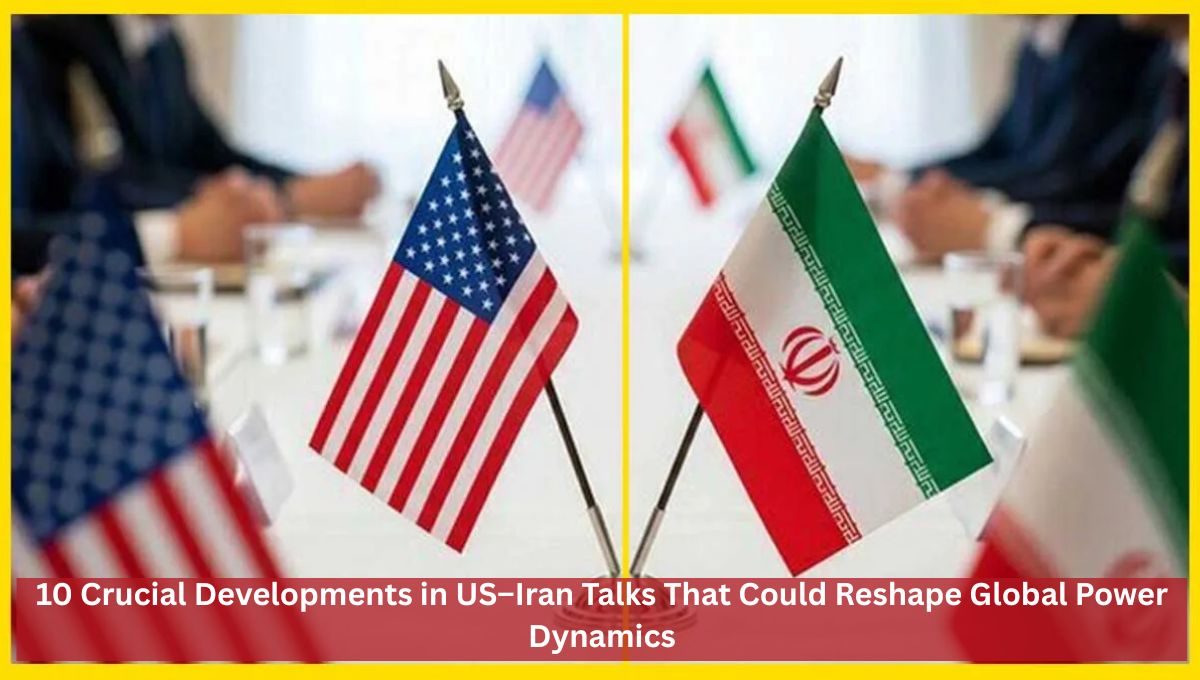
10 Crucial Developments in US–Iran Talks That Could Reshape Global Power Dynamics and geopolitical alliances. A fresh round of high-stakes negotiations between the United States and Iran is expected to take place in Islamabad, Pakistan, marking a potentially decisive moment in one of the most volatile geopolitical conflicts in recent history.
Thank you for reading this post, don't forget to subscribe!With tensions in West Asia threatening global energy security, trade routes, and diplomatic stability, these talks could shape not just regional peace—but the future balance of global power.
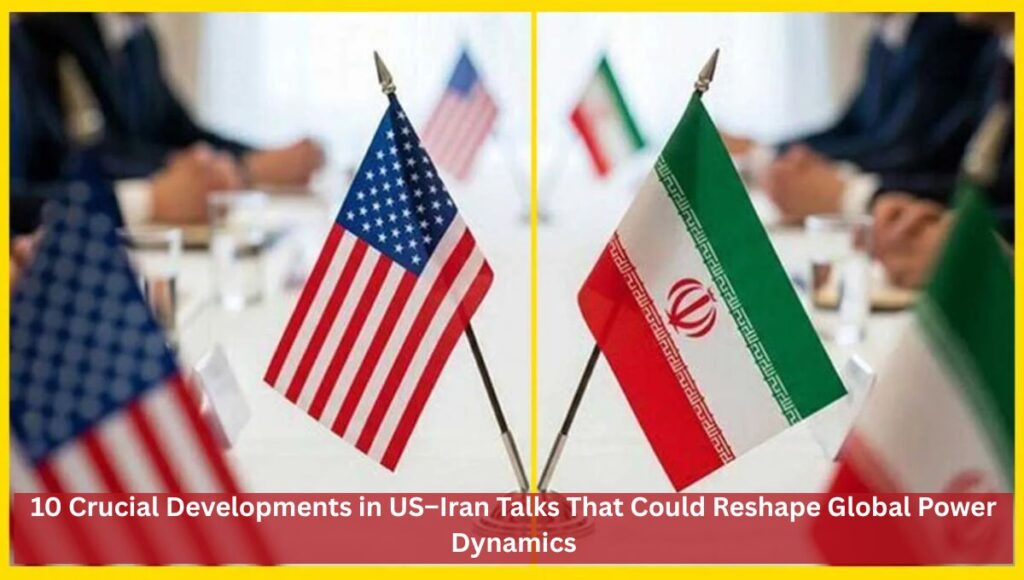
10 Crucial Developments in US–Iran Talks That Could Reshape Global Power Dynamics
A New Round of Talks: What We Know So Far
Diplomatic sources indicate that US and Iranian negotiators are expected to arrive in Islamabad ahead of talks scheduled for Monday.
Key Details:
- Talks to be held in Pakistan’s capital
- Delegations expected to arrive a day earlier
- Discussions come after earlier negotiations failed
This second round follows an inconclusive but historic first meeting held on April 11–12, which marked the first direct engagement between the US and Iran since 1979.
Why Pakistan Has Emerged as a Key Mediator
Pakistan’s role in facilitating dialogue between Washington and Tehran has surprised many observers.
Why Pakistan?
- Maintains working relations with both US and Iran
- Strategic geographic and political positioning
- Active diplomatic engagement across the region
Pakistan has positioned itself as a neutral yet influential intermediary—bridging one of the world’s deepest geopolitical divides.
The Rising Influence of Asim Munir
At the center of Pakistan’s mediation effort is its army chief, Asim Munir.
His Role:
- Facilitating back-channel communication
- Delivering proposals between both sides
- Coordinating high-level diplomatic efforts
Munir’s direct engagement with leaders in both Washington and Tehran has elevated his profile as a critical negotiator in the conflict.
Diplomatic Momentum Building Across Regions
The upcoming talks are not happening in isolation—they are part of a broader diplomatic push involving multiple global players.
Key Engagements:
- Shehbaz Sharif meeting regional leaders
- Tamim bin Hamad Al Thani supporting de-escalation efforts
- Recep Tayyip Erdoğan backing diplomatic solutions
These discussions took place during the Antalya Diplomacy Forum, highlighting global support for peace efforts.
Ceasefire Adds Urgency to Negotiations
A temporary ceasefire between Israel and Hezbollah has created a narrow window for diplomacy.
Key Players:
- Donald Trump
- Benjamin Netanyahu
- Joseph Aoun
The 10-day ceasefire is seen as:
- A confidence-building measure
- A step toward broader regional de-escalation
- A chance to prevent further escalation
However, it remains fragile and dependent on progress in US–Iran talks.
Core Issues on the Negotiation Table
The upcoming discussions are expected to focus on several high-stakes issues:
1. Iran’s Nuclear Program
- Disagreements over enriched uranium
- US demands for restrictions
- Iran’s refusal to transfer stockpiles
2. Sanctions Relief
- Iran seeks economic relief
- US demands compliance and guarantees
3. Strait of Hormuz
- Critical global oil route
- Previously disrupted during conflict
- Central to energy security
These issues are deeply interconnected and politically sensitive.
The Strategic Importance of the Strait of Hormuz
The Strait of Hormuz remains a central factor in negotiations.
Why It Matters:
- Handles nearly 20% of global oil supply
- Acts as a geopolitical pressure point
- Influences global energy prices
Its reopening recently eased markets—but control over it remains a key bargaining tool for Iran.
Economic Stakes: Beyond Politics
The outcome of these talks will have far-reaching economic consequences.
Global Impact:
- Oil price stability
- Shipping and freight costs
- Inflation trends worldwide
Regional Impact:
- Revival of trade routes
- Energy supply normalization
- Investment confidence
Countries across Asia and Europe are closely watching developments.
Pakistan’s Strategic Gains
Pakistan stands to gain significantly if talks succeed.
Potential Benefits:
- Enhanced global diplomatic credibility
- Revival of Iran-Pakistan gas pipeline
- Increased regional trade
A successful mediation could position Pakistan as a major diplomatic power in global affairs.
Challenges That Could Derail Progress
Despite optimism, several risks remain:
Key Challenges:
- Deep mistrust between US and Iran
- Conflicting narratives and public statements
- Military tensions and ongoing blockades
Iran has repeatedly warned that negotiations under pressure are unacceptable, while the US continues to maintain leverage through sanctions and military presence.
A Delicate Balance: Diplomacy vs Power
Iran’s stance reflects a dual strategy:
- Maintain military strength
- Engage in diplomacy selectively
From Tehran’s perspective, negotiations are not a sign of weakness but a calculated move to secure strategic interests.
What Success Could Look Like
If negotiations succeed, potential outcomes include:
Short-Term:
- Extended ceasefire
- Partial sanctions relief
- Stabilized oil markets
Long-Term:
- Framework nuclear agreement
- Regional security arrangements
- Reduced proxy conflicts
Such outcomes could transform West Asia’s geopolitical landscape.
Global Implications of Failure
Failure, however, carries serious risks:
- Renewed military escalation
- Disruption of oil supplies
- Global economic instability
A prolonged conflict could:
- Trigger inflation worldwide
- Impact energy-importing nations heavily
- Draw in additional global powers
The Road Ahead
The upcoming talks in Islamabad represent a critical juncture.
What to Watch:
- Diplomatic signals from both sides
- Movement on key negotiation points
- Stability of ceasefire agreements
Even small breakthroughs could have outsized global impact.
Conclusion
The next round of US–Iran talks in Pakistan is more than just another diplomatic meeting—it is a high-stakes effort that could reshape global geopolitics, energy markets, and regional stability.
With Pakistan emerging as a key mediator, global powers aligning behind de-escalation, and economic pressures mounting, the world is watching closely.
The outcome of these talks will determine whether the current fragile peace evolves into lasting stability—or slips back into conflict.
Also Read: 7 Critical Flashpoints in US–Iran Nuclear Talks as 20-Year vs 5-Year Freeze Stalls Deal
Also Read: Pakistan starts preparing for next round of U.S.-Iran talks: officials
Related Posts:
- 3 Explosive Conditions Iran Sets to End War with US…
- 7 Critical Ways Iran’s Yuan Oil Plan Could Shake the…
- 7 Powerful Facts About Ayatollah Ali Khamenei’s…
- 9 Explosive Claims as Trump Says US Winning Iran War

- 10 Powerful Revelations from the Trump–Putin Call on…

- 10 Explosive Warnings as Donald Trump Calls Iran…