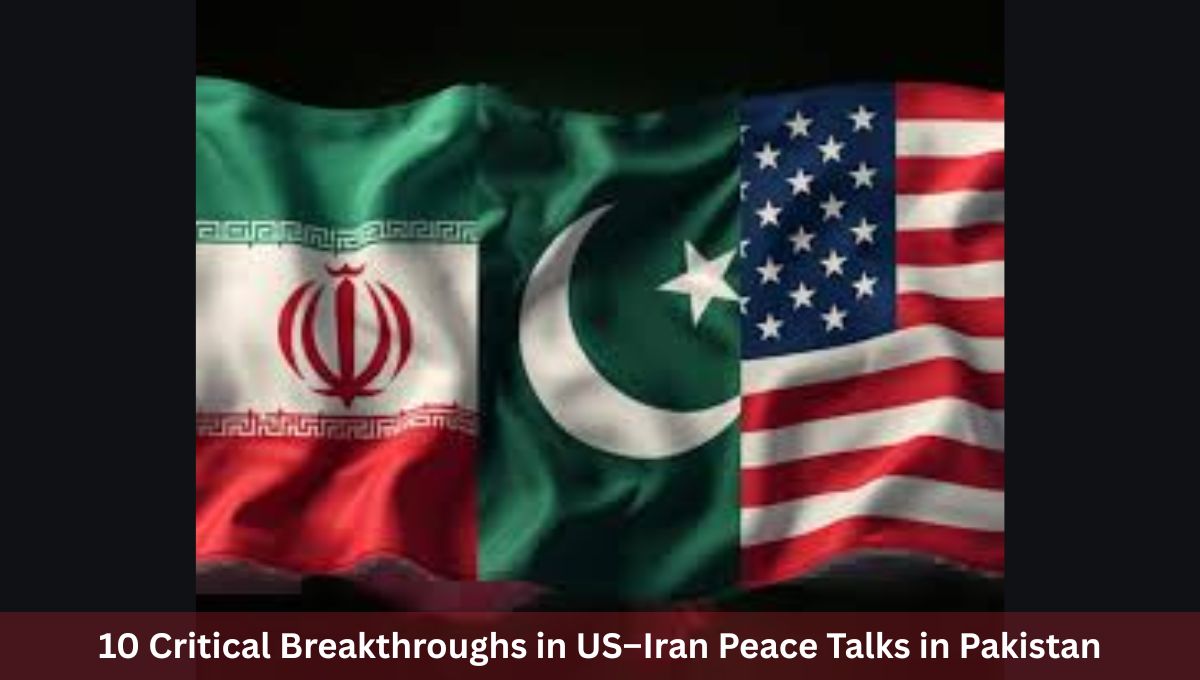
10 Critical Breakthroughs in US–Iran Peace Talks in Pakistan amid escalating Strait of Hormuz tensions. A fragile diplomatic window is opening in one of the most dangerous geopolitical crises in recent history. As tensions between the United States and Iran continue to simmer—fueled by military posturing, naval confrontations, and disruptions in global oil supply—Washington has made a decisive move toward diplomacy.
Thank you for reading this post, don't forget to subscribe!US President Donald Trump has dispatched two high-profile envoys to Pakistan for talks with Iranian officials, signaling a renewed push to break the deadlock.
The move comes at a time when the Strait of Hormuz remains highly volatile and global markets are under pressure.
This article provides a comprehensive, globally relevant analysis of the unfolding diplomatic effort, its strategic implications, and what it could mean for the future of the conflict.
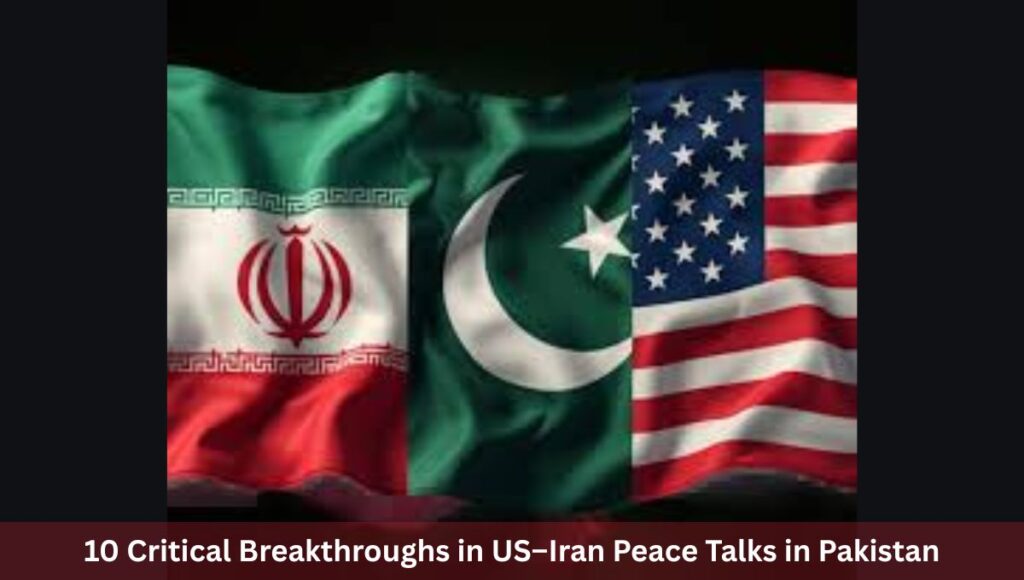
10 Critical Breakthroughs in US–Iran Peace Talks in Pakistan
A High-Stakes Diplomatic Push
The United States has confirmed that special envoy Steve Witkoff and senior advisor Jared Kushner are traveling to Islamabad to engage with Iran’s Foreign Minister Abbas Araghchi.
What Makes This Significant
- It represents the second round of talks hosted in Pakistan
- Comes amid an extended but fragile ceasefire
- Signals a shift from purely military pressure to renewed diplomacy
Despite these developments, uncertainty remains high. Iranian officials have not fully confirmed direct engagement, suggesting that talks may be indirect or mediated.
Pakistan’s Emerging Role as a Mediator
Pakistan has rapidly positioned itself as a key diplomatic bridge between the United States and Iran.
Why Pakistan?
- Strong ties with both Western and regional powers
- Strategic relationships with Saudi Arabia, China, and Iran
- Ability to facilitate back-channel negotiations
Diplomatic Leverage
Islamabad’s leadership has actively pushed for de-escalation, urging both sides to return to negotiations. Its role is now central to any meaningful progress.
The Delegation: Who’s Involved
United States
- Steve Witkoff – Special Envoy to the Middle East
- Jared Kushner – Senior advisor and diplomatic negotiator
- JD Vance – On standby, not currently attending
Iran
- Abbas Araghchi – Foreign Minister and chief negotiator
Pakistan
- Senior political and military leadership facilitating talks
The absence of JD Vance from the initial round signals a measured approach, allowing flexibility depending on progress.
Why JD Vance Is on Standby
Vice President JD Vance played a central role in the previous round of talks but is not traveling immediately.
Strategic Reasoning
- Keeps diplomatic pressure without overcommitting
- Allows escalation of engagement if progress is made
- Maintains negotiation flexibility
This approach suggests the US is cautiously optimistic but not fully confident in a breakthrough.
Core Issues on the Negotiation Table
The talks are expected to focus on three major areas of contention:
1. Iran’s Nuclear Program
- Dispute over uranium enrichment levels
- Concerns about potential weaponization
- Lack of commitment from Iran to halt future development
2. Strait of Hormuz Crisis
- Iran’s control over shipping routes
- US naval blockade of Iranian ports
- Mine-laying allegations and maritime attacks
3. Regional Conflicts
- Israel–Iran tensions
- Hezbollah involvement in Lebanon
- Broader Middle East stability
These issues are deeply interconnected, making negotiations highly complex.
Why Previous Talks Failed
The first round of negotiations in Islamabad ended without a breakthrough.
Key Reasons
- Disagreement on nuclear policy
- Lack of trust between both sides
- Continued military actions during talks
- Conflicting preconditions
The Trust Deficit
Both nations remain skeptical of each other’s intentions, complicating any agreement.
Iran’s Position: No Direct Talks?
Iranian media has indicated that direct negotiations may not occur.
Possible Approach
- Indirect talks via Pakistani intermediaries
- Message exchanges rather than face-to-face meetings
- Strategic ambiguity to maintain leverage
Why This Matters
Indirect talks often signal deep mistrust and can slow progress significantly.
Military Pressure Still Dominates
Even as talks resume, military activity has not slowed.
Current Situation
- US naval blockade remains in place
- Iran continues to exert pressure in the Strait of Hormuz
- Attacks on commercial vessels persist
Strategic Implication
Diplomacy is happening alongside active conflict, increasing risks.
Global Economic Impact
The crisis is not confined to the Middle East—it is affecting the global economy.
Oil Market Disruptions
- Prices have surged significantly
- Supply chains are strained
- Shipping insurance costs have skyrocketed
Ripple Effects
- Rising fuel prices worldwide
- Inflationary pressure on economies
- Increased cost of goods and services
Even partial disruptions in the Strait of Hormuz can have massive global consequences.
The Ceasefire: Fragile but Crucial
The current ceasefire has created space for diplomacy but remains unstable.
Key Features
- Indefinite extension by the US
- Continued violations at sea
- Conditional cooperation from Iran
Risks
- Any incident could collapse the ceasefire
- Renewed conflict could derail talks instantly
Diplomatic Signals from Both Sides
United States
- Open to negotiations
- Maintaining pressure through sanctions and blockade
- Not in a rush to finalize a deal
Iran
- Willing to engage, but on its terms
- Demanding removal of US naval blockade
- Seeking recognition of its nuclear rights
These positions show limited overlap, making compromise difficult.
The Role of Regional and Global Powers
Several countries are indirectly influencing the talks.
Key Players
- Oman – traditional mediator
- Russia – strategic partner to Iran
- Gulf nations – stakeholders in regional stability
- China – major energy consumer
Why This Matters
Any agreement will likely require multilateral support.
Possible Outcomes of the Talks
Scenario 1: Breakthrough Agreement
- Gradual lifting of restrictions
- Restoration of shipping routes
- Stabilization of oil markets
Scenario 2: Partial Progress
- Confidence-building measures
- Continued negotiations
- Limited de-escalation
Scenario 3: Collapse of Talks
- Renewed military escalation
- Further economic disruption
- Increased global instability
At present, the most likely outcome appears to be incremental progress rather than a full deal.
Strategic Timing of the Talks
The timing of these negotiations is not accidental.
Key Factors
- Rising economic pressure globally
- Military stalemate
- Political considerations in the US and Iran
Calculated Diplomacy
Both sides appear to be testing whether diplomacy can deliver results without compromising core interests.
Pakistan’s Diplomatic Balancing Act
Pakistan must carefully manage its role to maintain credibility.
Challenges
- Balancing relations with competing powers
- Ensuring neutrality
- Managing regional expectations
Opportunity
Success could position Pakistan as a major diplomatic player globally.
Risks That Could Derail Progress
Several factors could disrupt the talks:
- New attacks in the Strait of Hormuz
- Political instability within Iran
- Hardline opposition in either country
- Miscommunication during indirect talks
Even a single incident could reverse diplomatic gains.
What the World Should Watch
Global observers should focus on:
- Whether direct talks actually occur
- Any agreement on nuclear enrichment limits
- Changes in naval activity in Hormuz
- Statements from both governments post-talks
These indicators will reveal the true direction of the crisis.
Conclusion
The decision by the United States to send envoys to Pakistan for talks with Iran marks a critical moment in an increasingly dangerous geopolitical standoff.
While the move signals a willingness to pursue diplomacy, the underlying tensions remain unresolved.
With the Strait of Hormuz still under pressure and global markets on edge, the stakes could not be higher.
Whether these talks lead to meaningful progress or collapse under the weight of mistrust will shape not just the future of US–Iran relations, but the stability of the global economy.
For now, the world watches closely as diplomacy and conflict unfold side by side in one of the most consequential crises of our time.
Also Read: 9 Explosive Developments as Pakistan Delivers Trump’s Iran Peace Offer After Talks Collapse
Also Read: US, Iran To Hold 2nd Round Of Talks In Pakistan Today. What’s On Agenda?
Related Posts:
- 9 Explosive Claims as Trump Says US Winning Iran War
- 7 Powerful Facts About Ayatollah Ali Khamenei’s…
- 3 Explosive Conditions Iran Sets to End War with US…
- Trump’s 20-Point Gaza Peace Plan Gains Urgent Global…

- 5 Major Takeaways from the US Supreme Court's…

- 10 Explosive Warnings as Donald Trump Calls Iran…