
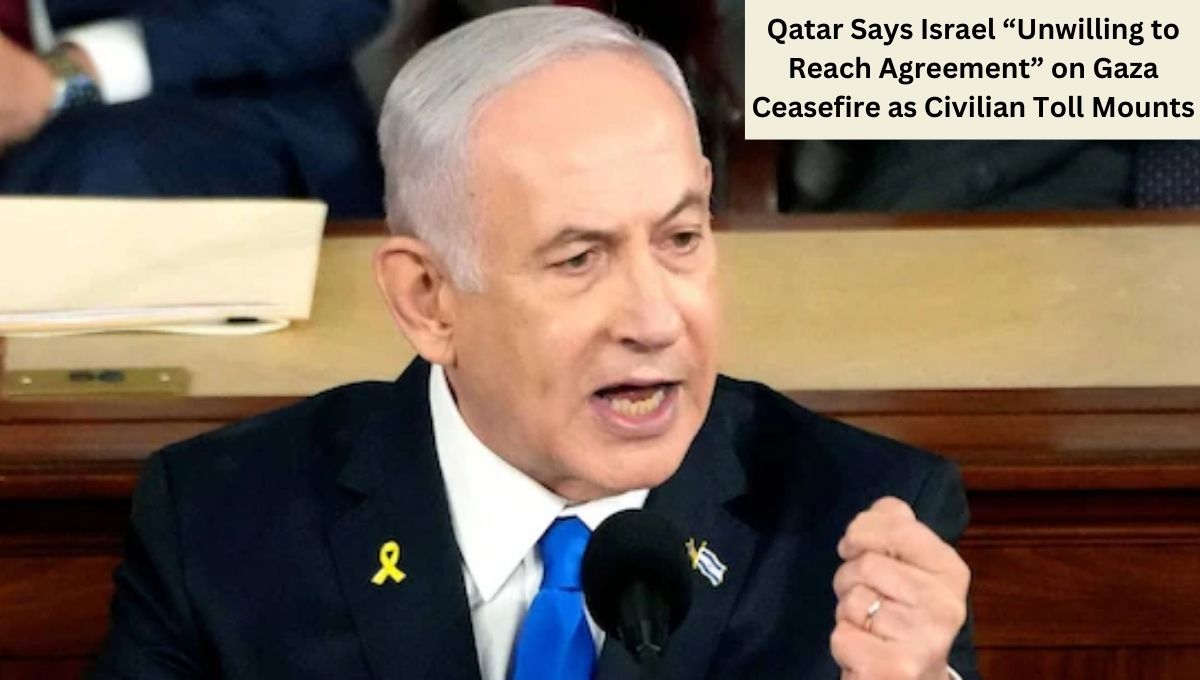
Despite Hamas accepting peace proposal, Qatar Says Israel “Unwilling to Reach Agreement” on Gaza Ceasefire as Civilian Toll Mounts. Qatar has accused Israel of being “unwilling to reach an agreement” on a Gaza ceasefire, despite Hamas already accepting a proposal put forward by mediators Egypt and Qatar earlier this month.
Speaking to reporters in Doha, Foreign Ministry spokesperson Majed al-Ansari said Israel has not provided an official response to the plan, which included a 60-day cessation of Israeli operations, humanitarian aid entry, and a phased hostage-prisoner exchange.
“We are in contact with all parties in pursuit of a ceasefire agreement, but there is no official Israeli response – neither acceptance, rejection, nor the presentation of an alternative proposal,” al-Ansari said. “We do not take seriously the media statements in Israel and are awaiting an official response to the proposal.” Al-Ansari urged the international community to pressure Israel into accepting the ceasefire deal, which mediators insist mirrors terms Israel had previously agreed to.
Qatar Says Israel “Unwilling to Reach Agreement” on Gaza Ceasefire as Civilian Toll Mounts
What the Ceasefire Proposal Includes
According to sources familiar with the talks, the ceasefire plan mediated by Egypt and Qatar contains the following key points:
- A 60-day suspension of Israeli military operations in Gaza.
- A phased withdrawal of Israeli forces from key areas to allow humanitarian aid.
- The exchange of half the remaining 50 Israeli captives for Palestinian detainees during the initial phase.
“What Hamas agreed to is identical to what Israel had already agreed to. The ball is now in Israel’s court, and it seems Israel does not want to reach an agreement or even respond,” al-Ansari stressed.
Al Jazeera’s Doha correspondent Osama bin Javaid added that the deal has been on the table for more than 10 days but mediators have yet to hear back from Israel.
Gaza Death Toll Surpasses 62,800
The deadlock over the ceasefire comes as Gaza’s humanitarian crisis deepens.
According to Palestinian health officials, over 62,800 people have been killed since Israel launched its military offensive following the Hamas-led attacks in October 2023.
Qatar warned that the only visible response from Israel so far has been “more deaths, more destruction, and more plans to seize territory in Gaza.”
The ongoing conflict has displaced hundreds of thousands, with the UN warning of Israeli-made starvation, as limited aid deliveries fail to meet the needs of the besieged population.
Nasser Hospital Strike Sparks Global Outrage
The pressure on Israel intensified this week after an airstrike on Nasser Hospital in Khan Younis killed at least 21 Palestinians, including five journalists.
Israel’s military later claimed the strike was aimed at destroying a Hamas surveillance camera, which it alleged was being used to monitor troop movements.
However, no explanation was given for why the strike directly hit a crowded stairwell where rescuers and reporters had gathered after an earlier explosion.
The attack drew condemnation from rights groups and journalists’ unions worldwide, while even Israel’s closest allies expressed concern about the targeting of medical and press facilities.
Protests Erupt Across Israel
Inside Israel, frustration with Prime Minister Benjamin Netanyahu’s government is growing.
Tens of thousands of Israelis took to the streets this week, blocking highways and gathering in Tel Aviv’s Hostages Square to demand a ceasefire and the return of captives.
The Hostages Families Forum, representing most families of those still held in Gaza, said reports that the ceasefire proposal was not even discussed in Israel’s latest security cabinet meeting were “deeply disappointing.”
“The government lacks a public mandate to continue this prolonged conflict while our loved ones remain captive. There is only one answer: people filling the streets until everyone comes home,” the forum said.
Many protestors carried signs urging Netanyahu to “Bring them home” and accused the government of prioritizing military escalation over humanitarian solutions.
Growing Calls Inside Israel to End the War
Even members of Israel’s political establishment are calling for an end to the fighting. Former Prime Minister Ehud Olmert said the war “should be stopped” and revealed he was working on plans to help remove Netanyahu from office.
Democratic Knesset member Gilad Kariv told demonstrators that only public protests could pressure the government into making a deal:
“Without the protest for the hostages there wouldn’t have been the two deals. We won’t give up. We’ll shake the country, end the war, and bring everyone home.”
Recent polls suggest that a majority of Israelis now favor a hostage deal over continuing the military campaign.
US Pressure and Trump’s Role
The families of hostages have also appealed directly to US President Donald Trump, who recently suggested in Oval Office comments that fewer than 20 of the 50 hostages may still be alive.
Trump has promised a “conclusive ending to the war within two to three weeks,” though Israeli officials disputed his assessment of the hostage situation.
Despite Trump’s statements, the Biden administration continues to express concern about Israel’s growing international isolation as civilian casualties mount.
Also Read: Trump Urges Israel to “Finish the Job” as Gaza Ceasefire Talks Collapse
Escalation in the West Bank
While Gaza bears the brunt of Israel’s offensive, the West Bank has also seen intensified clashes.
On Thursday, at least 58 Palestinians were injured during an Israeli raid in Ramallah, where troops targeted a currency exchange allegedly linked to Hamas.
The Palestine Red Crescent reported dozens of injuries amid heavy clashes, further heightening fears of the conflict expanding beyond Gaza.
Netanyahu’s Political Future at Stake
Critics increasingly accuse Prime Minister Netanyahu of prolonging the war for political survival. His far-right coalition partners favor military escalation, but discontent within the Israeli army and among reservists is rising.
Analysts warn that Netanyahu’s refusal to engage with the ceasefire proposal could deepen Israel’s international isolation and fuel domestic unrest, potentially destabilizing his leadership.
Conclusion: The Ceasefire Stalemate
Qatar’s accusation that Israel is “unwilling to reach an agreement” highlights the widening gulf between international mediation efforts and Israel’s military-driven approach.
With 62,800 Palestinians dead, thousands more displaced, and hostage families demanding action, the pressure on Netanyahu’s government is mounting both at home and abroad.
For now, the ceasefire proposal remains unanswered, leaving the fate of civilians and hostages in limbo, and raising fears that Gaza’s suffering will only deepen unless decisive diplomatic breakthroughs are achieved.
Also Read: Israel “Unwilling To Reach Agreement” On Gaza Ceasefire, Says Qatar
Related Posts:
- Trump’s 20-Point Gaza Peace Plan Gains Urgent Global…

- Hamas Survives Israeli Assassination Attempt in…

- Pakistan–Afghanistan Ceasefire 2025: Breakthrough…

- US, Qatar Near Defence Pact After Israeli Strike on…

- Israel–Hamas Ceasefire Under Strain: 4 More Hostage…

- PM Modi Condemns Israeli Strikes on Doha: Qatar…
