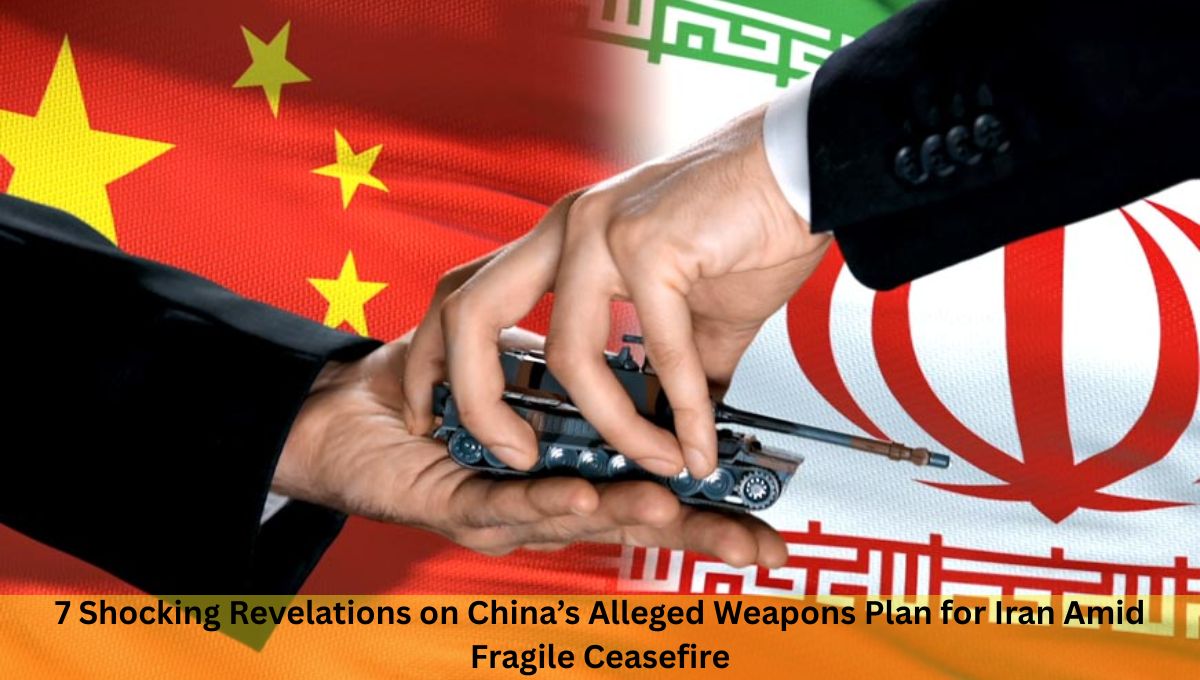
7 Shocking Revelations on China’s Alleged Weapons Plan for Iran Amid Fragile Ceasefire and rising geopolitical tensions. A new intelligence assessment from the United States has triggered global alarm, suggesting that China may be preparing to supply advanced air defence systems to Iran within weeks.
Thank you for reading this post, don't forget to subscribe!The revelation, first reported by CNN citing multiple sources familiar with classified findings, comes at a particularly sensitive time—just days after a fragile ceasefire paused a dangerous conflict involving the United States, Israel, and Iran.
If confirmed, the alleged move could significantly alter the geopolitical balance in the Middle East, potentially undermining ongoing diplomatic efforts and raising the risk of renewed conflict.
While Beijing has firmly denied the claims, the situation highlights the deepening complexities of global alliances and rivalries.
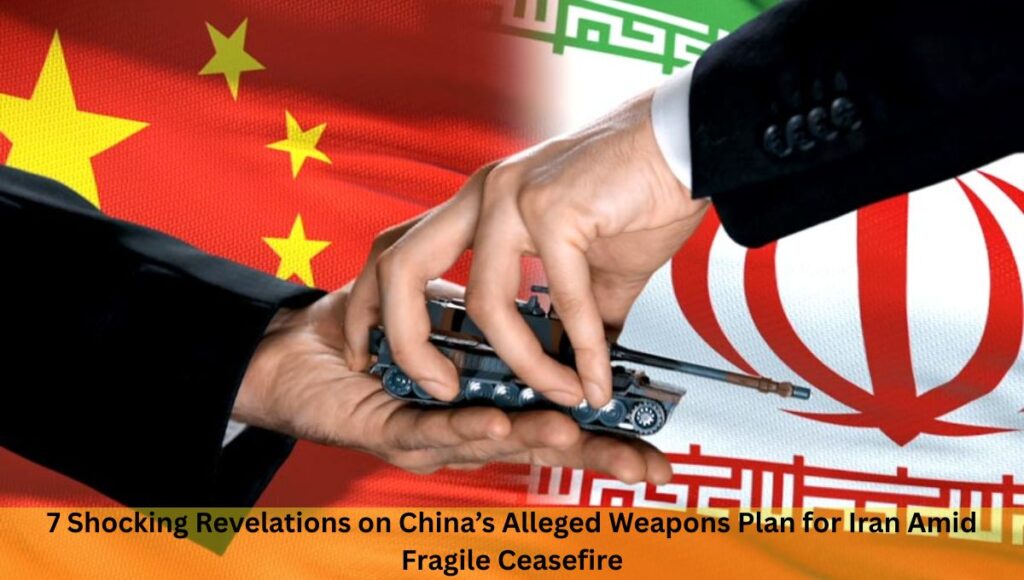
7 Shocking Revelations on China’s Alleged Weapons Plan for Iran Amid Fragile Ceasefire
US Intelligence Raises Red Flags
What the Intelligence Says
According to U.S. intelligence assessments, China is believed to be preparing to deliver new air defence systems to Iran.
These shipments could reportedly occur within the next few weeks, raising immediate concerns in Washington and among its allies.
The intelligence suggests that:
- The systems may include MANPADS (Man-Portable Air Defense Systems)
- Deliveries could be routed through third countries to conceal their origin
- The move may be part of Iran’s effort to rebuild military capabilities during the ceasefire
These findings have not been publicly confirmed through official government statements, but they have already sparked significant debate among policymakers and analysts.
What Are MANPADS and Why They Matter
A Powerful Asymmetric Weapon
MANPADS are shoulder-fired missile systems designed to target low-flying aircraft. Despite their relatively small size, they can pose a serious threat to military operations.
Key characteristics include:
- Portability and ease of deployment
- Heat-seeking guidance systems
- Effectiveness against helicopters and fighter jets at low altitude
During the recent conflict, such systems reportedly played a role in targeting U.S. aircraft.
Former President Donald Trump even suggested that a U.S. F-15 fighter jet shot down over Iran may have been hit by a shoulder-fired missile.
Strategic Implications
If Iran acquires additional MANPADS:
- It could enhance its defensive capabilities
- Increase risks for U.S. and allied aircraft
- Complicate future military operations in the region
This makes the potential transfer particularly sensitive.
China’s Strong Denial
Official Response from Beijing
China has categorically rejected the allegations.
A spokesperson from the Chinese embassy in Washington stated:
“China has never provided weapons to any party to the conflict; the information in question is untrue.”
Beijing has emphasized its position as a neutral actor, claiming it has worked to promote peace and de-escalation.
Diplomatic Messaging
Chinese officials have also urged the United States to avoid what they describe as:
- Baseless accusations
- Sensationalism
- Misrepresentation of China’s role
China maintains that it has consistently supported diplomatic solutions and denies adding “fuel to the fire.”
Timing Raises Global Concerns
Ceasefire at Risk
The alleged preparations come just days after a ceasefire temporarily halted hostilities between the United States and Iran.
This fragile truce is seen as a critical opportunity to de-escalate tensions and pursue long-term peace.
However, intelligence suggesting arms transfers raises fears that:
- The ceasefire could be used as a window for rearmament
- Trust between negotiating parties may erode
- Diplomatic efforts could collapse
Upcoming High-Level Talks
The timing is further complicated by scheduled negotiations between the U.S. and Iran in Islamabad.
These talks aim to address key issues and potentially establish a more durable peace framework.
Any perception of covert military support could:
- Undermine negotiation efforts
- Harden positions on both sides
- Delay or derail diplomatic progress
China’s Strategic Balancing Act
Maintaining Dual Interests
Experts believe China is attempting to balance multiple strategic priorities:
- Preserving strong economic ties with Iran
- Avoiding direct confrontation with the United States
- Maintaining its global image as a neutral power
Iran remains a crucial energy partner for China, supplying a significant portion of its oil imports.
Plausible Deniability
Routing shipments through third countries—if true—would allow China to:
- Support Iran indirectly
- Avoid direct accountability
- Maintain diplomatic flexibility
This strategy aligns with broader patterns seen in global geopolitics, where states seek influence without overt involvement.
Broader China-Iran Relationship
Economic and Military Ties
China and Iran share a long-standing partnership that spans:
- Energy trade
- Infrastructure investment
- Military cooperation
Iran exports large volumes of sanctioned oil to China, while Chinese companies have been accused of supplying dual-use technologies that can support military development.
A Potential Shift
While such economic ties are well established, direct transfer of weapons systems would represent a significant escalation in China’s involvement.
It would signal a move from:
- Indirect support → Direct military assistance
This shift could have major geopolitical consequences.
Role of Russia and Global Alliances
Parallel Support Networks
Iran’s relationships extend beyond China. Russia has also been linked to supporting Tehran, particularly through intelligence sharing.
In return, Iran has:
- Supplied drones to Russia
- Strengthened military cooperation
Emerging Axis?
The evolving relationships among China, Iran, and Russia have raised concerns about:
- A potential alignment of strategic interests
- Increased coordination against Western influence
However, analysts caution that these relationships remain complex and not necessarily unified.
Reports of Missile Fuel Shipments
Chemical Supplies from China
Separate reports suggest that Chinese shipments to Iran may include chemicals used in missile production, such as sodium perchlorate.
These materials are critical for:
- Solid-fuel ballistic missiles
- Rocket propulsion systems
Shipping Activity
Tracking data indicates that:
- Multiple Iranian-flagged vessels have transported cargo from China
- Ships arrived at Iranian ports despite sanctions
- Some vessels may have carried enough material for hundreds of missiles
Implications
If confirmed, these shipments would:
- Strengthen Iran’s missile capabilities
- Extend its operational capacity
- Raise concerns about enforcement of international sanctions
US Response and Strategic Concerns
Monitoring Developments
The United States is closely monitoring these developments. Intelligence agencies are tracking potential shipment routes and assessing risks.
Washington views any direct military support to Iran as a serious threat to:
- Regional stability
- U.S. military operations
- Global security
Diplomatic Pressure
The U.S. is likely to:
- Increase diplomatic pressure on China
- Raise the issue in upcoming talks
- Coordinate with allies to address potential risks
Impact on Global Security
Middle East Stability
The Middle East remains one of the world’s most volatile regions. Any escalation could have far-reaching consequences.
Potential outcomes include:
- Renewed military conflict
- Expansion of hostilities
- Increased involvement of global powers
Energy Markets
Iran’s role in global oil supply makes the situation particularly sensitive.
Disruptions could lead to:
- Rising oil prices
- Supply chain instability
- Economic impacts worldwide
Trump–Xi Meeting Adds Another Layer
High-Stakes Diplomacy
Former U.S. President Donald Trump is expected to meet Chinese President Xi Jinping in the coming weeks. This meeting could play a critical role in addressing tensions.
Key issues likely to be discussed:
- Alleged weapons shipments
- Ceasefire stability
- Broader U.S.-China relations
Opportunity for De-escalation
The meeting presents an opportunity to:
- Clarify positions
- Reduce misunderstandings
- Prevent escalation
However, it could also become a point of friction if disagreements intensify.
Is Iran Rebuilding Its Arsenal?
Ceasefire as a Strategic Pause
Analysts suggest that Iran may be using the ceasefire period to:
- Replenish weapons systems
- Strengthen defenses
- Prepare for potential future conflict
This strategy is not uncommon in conflict scenarios, where temporary pauses are used to regroup.
Military Readiness
Despite recent losses, intelligence suggests that:
- A significant portion of Iran’s missile infrastructure remains intact
- Supply chains continue to function
- External support may be helping sustain capabilities
Uncertainty and Competing Narratives
Conflicting Claims
The situation is marked by competing narratives:
- U.S. intelligence points to possible weapons transfers
- China denies any involvement
- Independent verification remains limited
Information Warfare
In modern conflicts, information itself becomes a battleground. Claims and counterclaims can shape perceptions and influence policy decisions.
Conclusion
The allegations that China may be preparing to supply air defence systems to Iran have introduced a new layer of complexity to an already volatile geopolitical landscape.
While Beijing denies the claims, the intelligence assessments highlight deep concerns within the United States and among its allies.
The timing—amid a fragile ceasefire and upcoming diplomatic talks—makes the situation particularly sensitive.
Whether these reports prove accurate or not, they underscore the fragile nature of current peace efforts and the intricate web of alliances shaping global politics.
The coming weeks, especially with high-level negotiations and diplomatic engagements on the horizon, will be critical in determining whether tensions ease or escalate once again.
For now, the world watches closely as major powers navigate a delicate balance between conflict and diplomacy.
Also Read: 10 Explosive Facts Behind China’s Hard-Hitting Sanctions on US Defence Firms Over Taiwan
Also Read: How China is the biggest silent player in the Iran war
Related Posts:
- 3 Explosive Conditions Iran Sets to End War with US…

- 10 Explosive Warnings as Donald Trump Calls Iran…
- 7 Powerful Facts About Ayatollah Ali Khamenei’s…

- 9 Explosive Claims as Trump Says US Winning Iran War

- 7 Explosive Signs Russia Is Quietly Backing Iran in…
- 7 Explosive Impacts of Trump’s 25% Iran Tariff on…