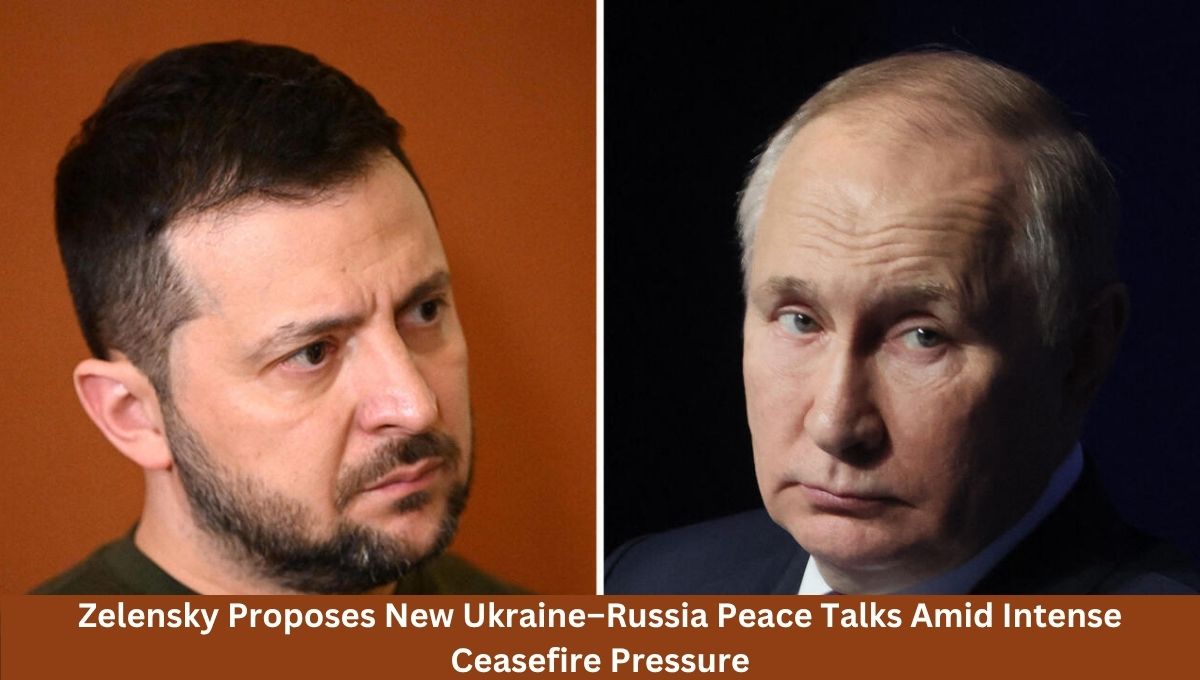
Next week, Zelensky Proposes New Ukraine–Russia Peace Talks Amid Intense Ceasefire Pressure. Ukrainian President Volodymyr Zelensky has formally proposed a new round of Ukraine–Russia peace talks for next week, seeking to reinvigorate ceasefire negotiations amid growing U.S. pressure on Moscow. With Secretary of the National Security and Defense Council Rustem Umerov leading the diplomatic push, Kyiv aims to translate international momentum into concrete progress on prisoner exchanges, the return of children, and ultimately an end to the bloodshed.
Zelensky Proposes New Ukraine–Russia Peace Talks Amid Intense Ceasefire Pressure
Background: Why New Peace Talks Matter
Since Russia’s full-scale invasion of Ukraine in February 2022, Europe’s deadliest conflict since World War II has claimed hundreds of thousands of lives and displaced millions.
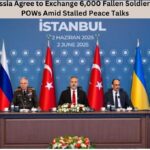
Ukraine–Russia peace talks have stalled repeatedly, most recently in Istanbul in early June. Despite brief agreements on prisoner swaps, neither side could bridge fundamental differences on territorial integrity, security guarantees, and the sequencing of concessions.
As winter approaches and both armies dig in for another season of attrition, Zelensky’s proposal seeks to break the deadlock by elevating discussions to the highest political levels.
The timing follows U.S. President Donald Trump’s announcement of a looming 50‑day tariff deadline on Russian goods part of an escalating strategy to leverage trade policy for peace.
Zelensky’s Proposal: Leadership-Level Dialogue
In his Saturday evening address, President Zelensky underscored the need for urgency:
“The dynamics of the negotiations must improve. We need to do everything possible to achieve a ceasefire. The Russian side must stop avoiding decisions regarding prisoner exchanges, the return of children, and the cessation of killings,” he said.
Zelensky confirmed that Rustem Umerov newly appointed head of the National Security and Defense Council had sent formal invitations to Russian negotiators for talks next week.
Umerov, who led Ukraine’s delegation in both Istanbul rounds, is tasked with injecting fresh momentum into discussions that have long been mired in mutual mistrust.
Russian Response: Cautious Optimism and Conditions
Russian state media outlet TASS reported that Moscow had received Kyiv’s proposal.
Kremlin spokesperson Dmitry Peskov told reporters:
“Russia is ready to move quickly on achieving a peace deal with Ukraine, but its main goal is to achieve its objectives. President Putin has repeatedly expressed his desire to transition the Ukrainian settlement process into a peaceful track as soon as possible. It’s a lengthy process that requires effort, and it’s not simple.”
While the Kremlin claims readiness, Moscow’s “objectives” remain unclear. Past rounds of talks have seen Russia insist on territorial concessions demands Ukraine has consistently rejected.
In Istanbul, Russia sought to anchore a ceasefire to its maximalist claims over four Ukrainian regions and the renunciation of Western military aid.
U.S. Pressure: The 50‑Day Tariff Ultimatum
Adding pressure to both sides is President Trump’s tariff threat. During a White House meeting with NATO Secretary-General Mark Rutte, Trump warned:
“We’re going to be doing very severe tariffs if we don’t have a deal in 50 days … I use trade for a lot of things. But it’s great for settling wars.”
Under this plan, the U.S. would impose a 10% tariff on Russian imports, with “secondary tariffs” on any country purchasing Russian oil.
Trump contends that economic pressure can expedite a ceasefire, though Western analysts doubt it will deter President Vladimir Putin from pursuing his summer offensive objectives.
Russian Foreign Minister Sergey Lavrov dismissed the tariff threats as “bluster,” noting:
“Fifty days – it used to be 24 hours; it used to be 100 days; we’ve been through all of this.”
Lessons from Istanbul: Past Talks and Sticking Points
The first two rounds of ceasefire talks in Istanbul this year yielded modest gains:
- Prisoner exchanges of wounded soldiers and civilians
- Agreements to repatriate the bodies of fallen combatants
However, Moscow’s “maximalist territorial demands” and Kyiv’s refusal to cede land doomed progress.
Ukrainian negotiators insist that any peace deal must safeguard national sovereignty and not leave Ukraine vulnerable to renewed aggression.
Zelensky’s new proposal emphasizes leadership-level engagement a strategy aimed at circumventing bureaucratic inertia and ensuring direct accountability from both presidents.
Recent Escalations: Odesa Drone Attack and Cross-Border Strikes
The invitation for peace talks comes on the heels of fresh military escalations:
- Odesa Drone Strike: Early Saturday, Russia launched over 300 drones and 30 cruise missiles at Odesa, killing at least one resident and injuring six, according to Zelensky’s office.
- Drone Attack on Rostov Region: Ukraine reportedly struck Russia’s southern Rostov railway lines, injuring a worker and halting train operations for several hours.
Moscow’s Defense Ministry claimed its air defenses shot down 27 Ukrainian drones, and Moscow’s mayor confirmed the interception of three drones near the city.
These tit‑for‑tat attacks underscore the volatility that peace negotiators must address.
Human Impact: The Cost of Prolonged Conflict
For civilians in eastern and southern Ukraine, the absence of a ceasefire means continued privation and peril:
- Infrastructure Damage: Bombed-out homes and power plants leave many without heat as colder months approach.
- IDP Crisis: Millions of internally displaced persons (IDPs) struggle in temporary shelters.
- Casualties Mount: Hospitals continue to treat the wounded from daily shelling and drone strikes.
Zelensky has repeatedly highlighted the human cost to bolster support for negotiations: “Every day without a ceasefire means more lives lost and dreams shattered,” he said in his address.
International Reactions: Allies Demand Swift Action
European Union leaders have cautiously welcomed Zelensky’s initiative. The EU High Representative issued a statement urging “both parties to seize the opportunity for dialogue” and pledging continued support for Ukraine’s sovereignty.
NATO Secretary-General Jens Stoltenberg also backed renewed talks, emphasizing that “a sustainable peace can only be achieved at the negotiation table.”
Meanwhile, China has offered to host future rounds of talks, calling for “an immediate cessation of hostilities” and “respect for international law.”
Challenges Ahead: Trust Deficit and Security Guarantees
Despite the façade of mutual readiness, several obstacles loom:
- Territorial Disputes: Russia’s insistence on annexed regions versus Ukraine’s demand for full restoration.
- Security Guarantees: Ukraine seeks binding Western commitments to deter future aggression.
- Verification Mechanisms: How to ensure compliance on prisoner exchanges and ceasefire lines.
- Political Will: Domestic pressures in both capitals may hinder compromise.
Overcoming these hurdles will require not only diplomatic finesse but also third‑party guarantees possibly under UN or OSCE auspices to monitor and enforce any agreement.
What’s Next: Preparing for the Negotiation Table
As both sides prepare for talks next week, key steps include:
- Drafting an Agenda: Defining meeting topics in advance to avoid ad hoc distractions.
- Mapping Security Zones: Agreeing on buffer areas to reduce frontline skirmishes.
- Setting Timelines: Establishing clear deadlines for concrete deliverables.
- Engaging Civil Society: Involving NGOs to build public support and oversight.
Zelensky’s administration has signaled that Rustem Umerov will circulate a detailed proposal setting these parameters. Observers will watch closely whether Moscow’s negotiators respond in kind or stick to maximalist demands.
Conclusion: A Pivotal Moment for Peace
With U.S. tariffs on the horizon and international scrutiny at its peak, next week’s Ukraine–Russia peace talks may prove decisive. President Zelensky’s invitation represents both a diplomatic olive branch and a strategic gambit to leverage global pressure for a lasting ceasefire.
As the war enters its fourth season, the world looks on, hoping that dialogue not drones or missiles will determine Ukraine’s future. Whether Moscow reciprocates this overture with genuine compromise remains the ultimate question. For now, Kyiv and its allies remain poised at the cusp of possibility: a chance to transform a brutal conflict into a negotiated peace.
Also Read: Ukraine and Russia Set for Fresh Peace Talks in Turkey Amid Renewed US Pressure
Also Read: Ukraine seeks new round of talks with Russia