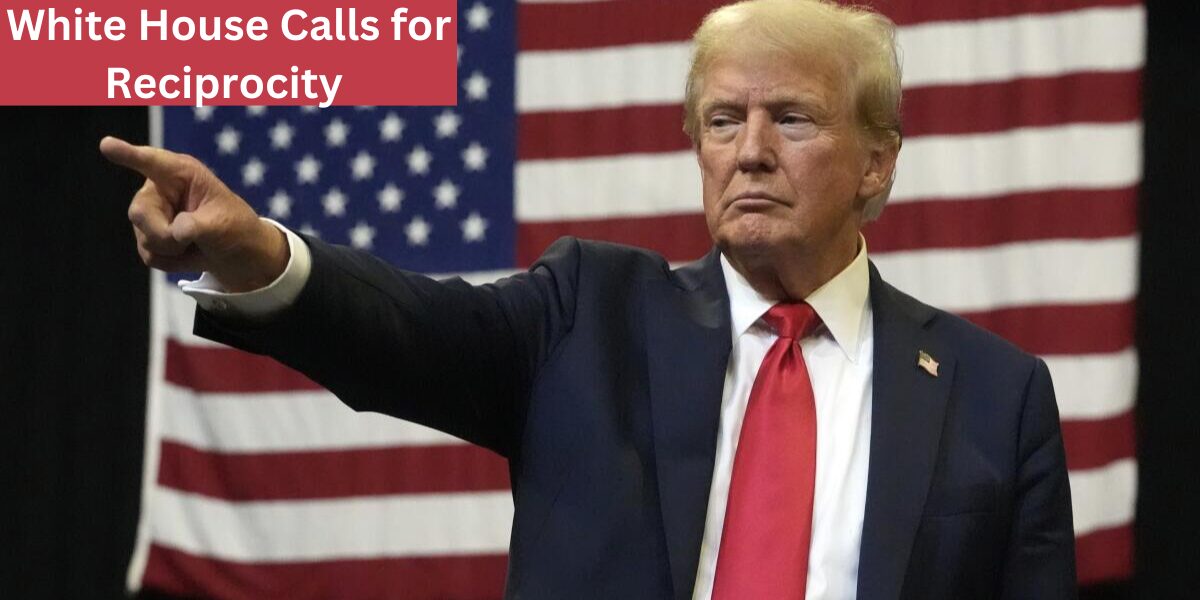
According to the reports, White House Calls for Reciprocity on India’s 100% Tariffs Ahead of ‘Liberation Day.’ The White House has criticized India for implementing 100% tariff on American agricultural products calling it an unfair trade practice.
This was indeed a bold move which was aimed at reshaping U.S. trade policies. The U.S. is set to implement reciprocal tariffs on April 2 onwards. White House Press Secretary Karoline Leavitt stressed the necessity to level the playing field for American exporters.
White House Press Secretary further stated that the countries were taking advantage of the US for a long time, highlighting Japan, Canada, and the European Union including India for their steep tariffs. Leavitt said that it was time for reciprocity which would happen on Wednesday and the President will be making historic changes.
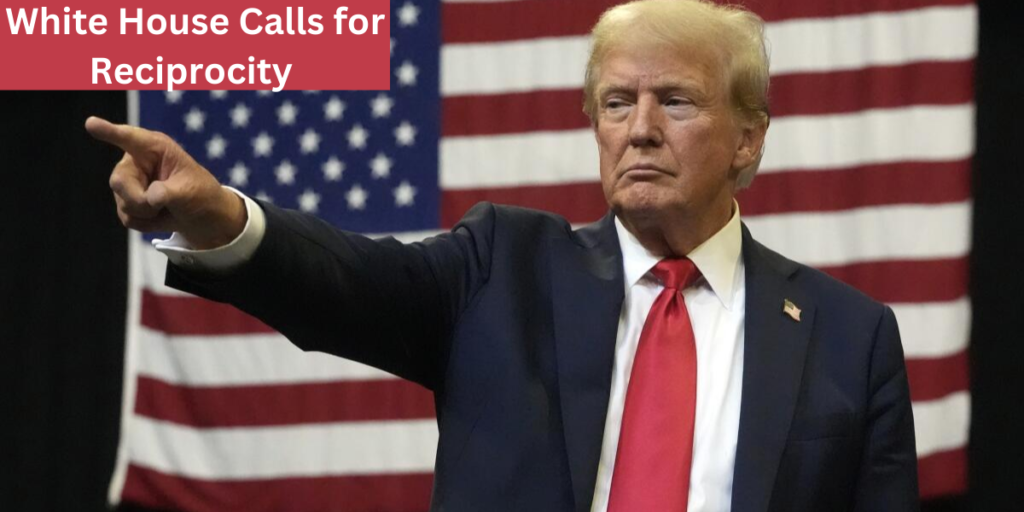
White House Calls for Reciprocity on India’s 100% Tariffs Ahead of ‘Liberation Day’
Why the U.S. is Pushing Back
The White House is enforcing reciprocal tariffs as a broad strategy to counter unfair trade barriers imposed by foreign governments. Leavitt went on to say that the 100% tariff imposed by India on American agricultural goods made it difficult for U.S. products to penetrate key markets.
She cited the unfair trade practices from other countries – a 700% tariff on American rice from Japan, 50% tariffs on American dairy from the European Union, and nearly 300% on American butter and cheese from Canada. While India’s 100% tariff she said only adds to the pressure on US economy.
Leavitt argued that the impact of these high tariffs by the different nations have pushed many U.S. businesses to the brink. During her press briefing she held up a chart and illustrated the extent of foreign tariffs, with India’s policies receiving particular focus.
Trump’s “Liberation Day” Tariffs
President Donald Trump believes that the foreign tariffs put American businesses at a disadvantage. Since a long time, he had expressed concerns over unfair foreign trade policies and he vowed to take action against those policies. Marking this move towards a fairer trade system the White house is declaring April 2 as “Liberation Day,”.
In February President Trump said that the countries would be charged exactly the same tax or tariff as they would to the United States and no more or no less tariffs.
Leavitt confirmed that the US administration’s trade advisors have chalked out and presented a plan ensuring fairness to American workers and businesses. She added that on Wednesday the President will make the announcement on significant shift in U.S. trade policy.
How Will Global Trade Be Affected?
Questions have been raised about how key trading partners will respond to the U.S. decision to match foreign tariff rates.
Varying levels of protectionist trade policies are maintained by India, Canada, Japan, and the European Union often citing the need to support domestic industries.
Trump administration however argues that these measures unjustifiably harm American exporters. Annual National Trade Estimate Report, was released recently by Office of the U.S. Trade Representative, detailing foreign trade barriers that hinder American exports.
It was a 397-page document which included import quotas, excessive food safety regulations, and supply management systems and it also highlighted a range of tariff and non-tariff barriers.
U.S. Trade Representative Jamieson Greer stated that in modern history no American President has recognized the harmful and wide-ranging foreign trade barriers that American exporters faced more than President Trump. He later added that this administration under President trump’s leadership was diligently working to address unfair practices.
What Comes Next?
While the long-term impact remains uncertain, the Trump administration is firm on implementing reciprocal tariffs. Some trade experts warn that tensions could escalate and disrupt global supply chains when the affected countries would take retaliatory measures against the tariffs imposed by the US. The others believe that the president’s move could pressure foreign governments to negotiate fairer trade terms with the U.S.
In the discussions surrounding the new tariff policies, Vice President J.D. Vance, top economic advisors, National Economic Council Director Kevin Hassett, and Secretary of Commerce Howard Lutnick, have been actively involved. Leavitt stated that with their collective efforts, American businesses would receive the protection they need.
She said that the President has a brilliant team of trade advisors working diligently to secure fair deals. She later added that this would ensure the American workers and businesses are treated with the respect they deserve.
The new U.S. trade policy could mark a turning point in the coming days, as the world eagerly waits for Trump’s official announcement on Wednesday. The reciprocal tariffs could lead to negotiations or it could escalate into a broader trade dispute but the White House is determined to hold its ground against the economic unfairness on the global stage.
Also Read: Trump’s Tariff Tsunami: What It Means for India and the Global Trade Landscape
Also Read: Donald Trump says India to ‘drop tariffs very substantially’ ahead of US ‘Liberation Day’
Related Posts:
- Inside Trump’s $250M White House Ballroom: Who’s…

- Donald Trump's "Liberation Day" Tariffs Set to…
- Trump’s Comments on Karoline Leavitt’s “Lips” Spark…
- Trump Deserves Nobel Peace Prize, Says White House,…

- 10 Powerful Reasons the US ‘Unfair Trade’ Probe on…
- 7 Powerful Takeaways From the US–Bangladesh Trade…