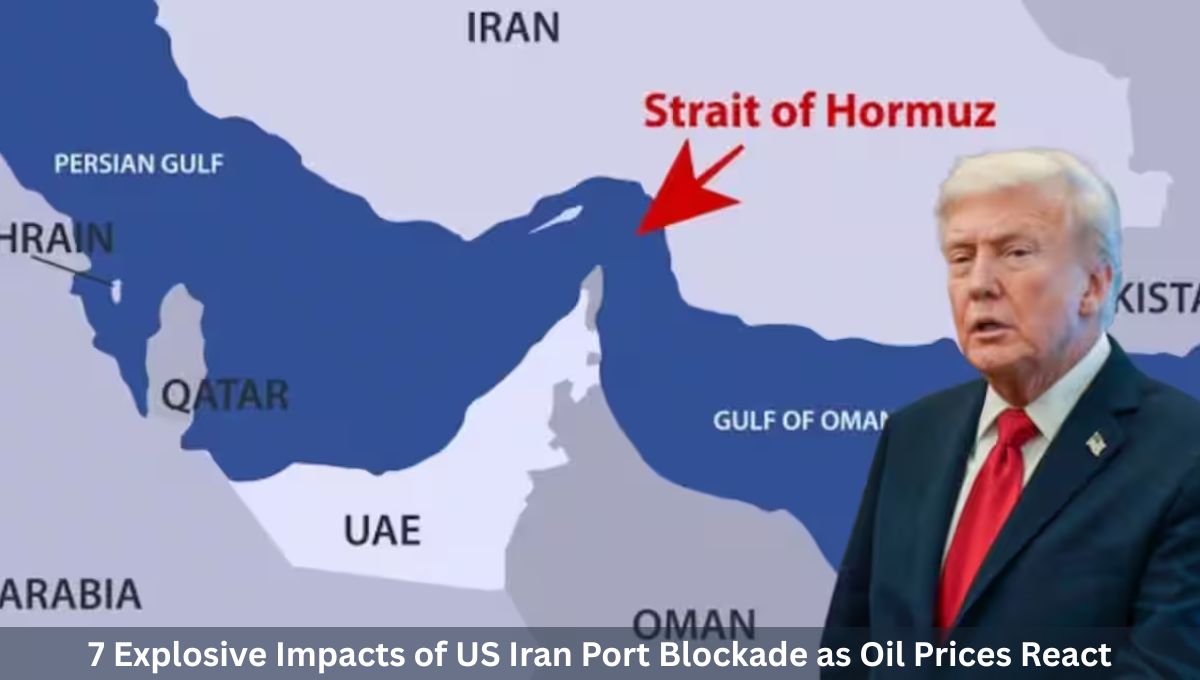
7 Explosive Impacts of US Iran Port Blockade as Oil Prices React amid fresh hopes for negotiations. The geopolitical landscape in the Middle East has entered a volatile new phase as the United States initiates a naval blockade targeting Iranian ports.
The move, announced following the collapse of high-stakes diplomatic talks in Islamabad, has escalated tensions with Tehran while simultaneously sending ripples through global energy markets.
Despite the severity of the situation, oil prices showed a surprising decline below $100 per barrel on Tuesday—reflecting cautious optimism among investors that diplomacy between Washington and Tehran may still prevail.
This complex moment—marked by military escalation, fragile diplomacy, and economic uncertainty—has significant implications not only for the region but for the entire global economy.
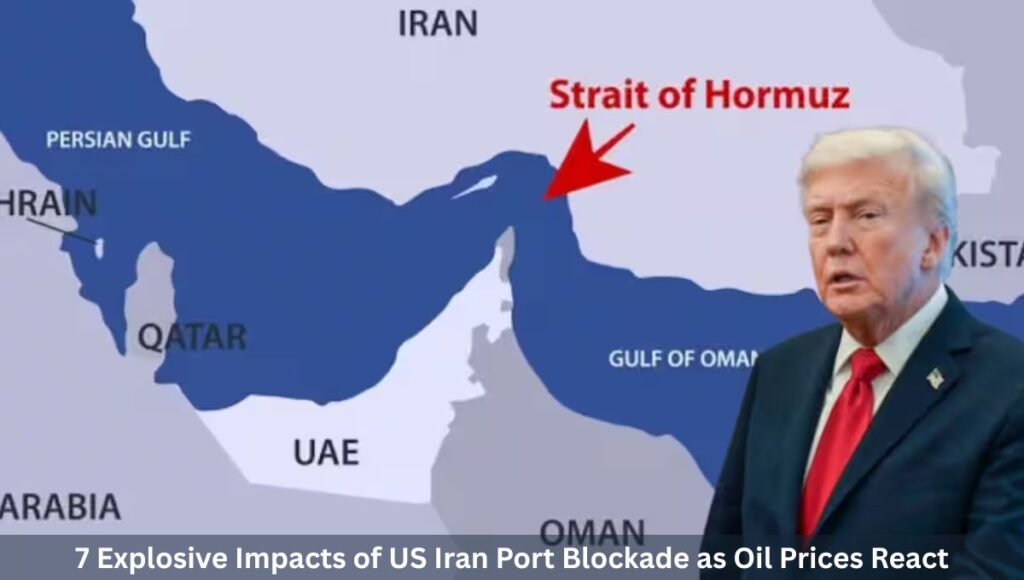
7 Explosive Impacts of US Iran Port Blockade as Oil Prices React
A Turning Point: US Launches Iran Port Blockade
The United States military formally began enforcing a blockade on Iranian ports, marking a decisive escalation after negotiations between the two nations failed to produce a breakthrough.
What the Blockade Means
- Targets vessels entering or leaving Iranian ports
- Enforced by US Central Command (CENTCOM)
- Applies to ships of all nations engaging with Iranian ports
- Allows transit through the Strait of Hormuz for non-Iranian destinations
The blockade is strategically designed to:
- Cut off Iran’s oil export revenues
- Pressure Tehran into accepting US demands
- Regain control over global energy routes
However, the move has been sharply criticized by Iran, which labeled it as “piracy” and warned of severe consequences.
Why the Strait of Hormuz Matters
At the heart of the crisis lies the Strait of Hormuz—a narrow but critical waterway that handles nearly 20% of the world’s oil and gas supply.
Strategic Importance
- Connects the Persian Gulf to global markets
- Essential for exports from Saudi Arabia, UAE, Iraq, and Kuwait
- Key supply route for major economies like China and India
Before the conflict:
- Around 17–20 million barrels of oil passed daily
- Served as a backbone of global energy stability
Now:
- Iran has effectively controlled access
- Shipping is restricted or selectively allowed
- Global supply chains are under strain
The US blockade directly challenges Iran’s control over this chokepoint, raising the risk of confrontation.
Oil Prices React: Why Markets Fell Instead of Rising
In a surprising development, oil prices dipped below $100 despite the escalation.
Key Reasons Behind the Drop
1. Hopes for Renewed Dialogue
Markets responded positively to signals that:
- The US and Iran remain engaged diplomatically
- New talks could happen within days
- Both sides are exploring compromise
2. Investor Positioning
Traders had already priced in:
- Supply disruptions
- Prolonged conflict
When no immediate escalation occurred, prices corrected.
3. Strategic Reserves and Supply Adjustments
Countries are:
- Releasing oil from reserves
- Rerouting shipments
- Increasing alternative production
Breakdown of US-Iran Talks: What Went Wrong
The blockade comes directly after 21 hours of intense negotiations in Islamabad failed.
Core Issues Behind the Deadlock
Nuclear Program Dispute
- US demands: Complete halt to uranium enrichment
- Iran’s stance: Retain enrichment rights
Sanctions and Economic Relief
- Iran wants immediate lifting of sanctions
- US insists on compliance first
Strait of Hormuz Control
- Iran seeks continued control and tolling rights
- US demands full reopening without restrictions
Despite progress, neither side was willing to concede on these critical issues.
Rising Tensions: Military and Political Fallout
The blockade has significantly raised the stakes.
US Position
- Warned Iranian vessels against approaching blockade zone
- Threatened immediate military response
- Emphasized non-negotiable stance on nuclear weapons
Iran’s Response
- Threatened retaliation against US naval forces
- Warned Gulf states their ports could be targeted
- Maintained control over Hormuz operations
The fragile ceasefire is now under severe strain, with only days remaining before its expiration.
Global Reactions: Allies and Rivals Respond
The international community has reacted cautiously, reflecting the high risks involved.
NATO Allies
- Refused to participate in blockade
- Called for reopening Hormuz through diplomacy
- Emphasized de-escalation
China
- Warned US against interfering in its Iran ties
- Continued energy trade with Tehran
- Advocated for ceasefire and stability
Europe
- Proposed multinational mission to secure navigation
- Avoided direct military involvement
- Focused on diplomatic solutions
Energy Markets and Economic Impact
The blockade has far-reaching consequences beyond geopolitics.
Immediate Effects
- Volatility in oil prices
- Disruption in shipping routes
- Rising insurance costs for vessels
Long-Term Risks
- Global inflation due to higher energy costs
- Supply chain disruptions across industries
- Potential recession pressures in vulnerable economies
Energy analysts warn that prolonged disruption could push oil prices well above $120 per barrel.
Shipping and Trade Under Pressure
The blockade has already impacted maritime operations.
Key Developments
- Some tankers turning back before entering Hormuz
- Increased risk premiums for shipping companies
- Reduced traffic through the waterway
A notable example includes a Chinese-linked tanker that initially retreated before eventually passing through under uncertain conditions.
Ceasefire at Risk: What Happens Next
The current ceasefire, brokered to halt six weeks of war, is nearing its expiration.
Scenarios Ahead
1. Renewed Negotiations
- Talks resume within days
- Possible extension of ceasefire
- Gradual de-escalation
2. Prolonged Standoff
- Blockade continues
- Economic pressure intensifies
- Limited military confrontations
3. Full Escalation
- Ceasefire collapses
- Direct conflict resumes
- Global energy crisis deepens
Strategic Calculations: Who Holds the Advantage?
Both sides believe they have leverage.
United States
- Military dominance
- Ability to enforce blockade
- Economic pressure tools
Iran
- Control over Strait of Hormuz
- Ability to disrupt global oil supply
- Regional influence
This balance of power creates a high-stakes stalemate.
Human and Political Dimensions
Beyond strategy and economics, the crisis carries human consequences.
Domestic Pressures
- Rising fuel prices affecting consumers
- War fatigue in the US
- Economic strain in Iran
Political Stakes
- Leadership credibility on both sides
- Upcoming elections in major countries
- Global perception of power and stability
Conclusion: A Fragile Moment for Global Stability
The US blockade of Iranian ports represents a critical inflection point in the ongoing conflict.
While it aims to pressure Tehran into concessions, it also risks triggering wider instability in an already volatile region.
The temporary dip in oil prices offers a glimpse of optimism—but it is fragile and dependent on the success of diplomatic efforts in the coming days.
With the ceasefire nearing its end and tensions still high, the world watches closely.
Whether this moment leads to renewed dialogue or deeper conflict will shape not only the future of the Middle East but the trajectory of the global economy itself.
Also Read: 10 Explosive Updates as Trump Orders Hormuz Blockade After Iran Talks Fail
Also Read: Saudi Arabia Is “Pressing” US To Drop Iran Port Blockade Plan: Report
Related Posts:
- 7 Powerful Reasons the U.S. Is Letting Countries Buy…
- 7 Explosive Reasons Oil Prices Are Surging as Trump…
- 3 Explosive Conditions Iran Sets to End War with US…

- 10 Explosive Signals Trump Says Iran War Could End…
- 10 Explosive Strikes: Israel Bombs Tehran Oil Depots…

- 9 Explosive Claims as Trump Says US Winning Iran War