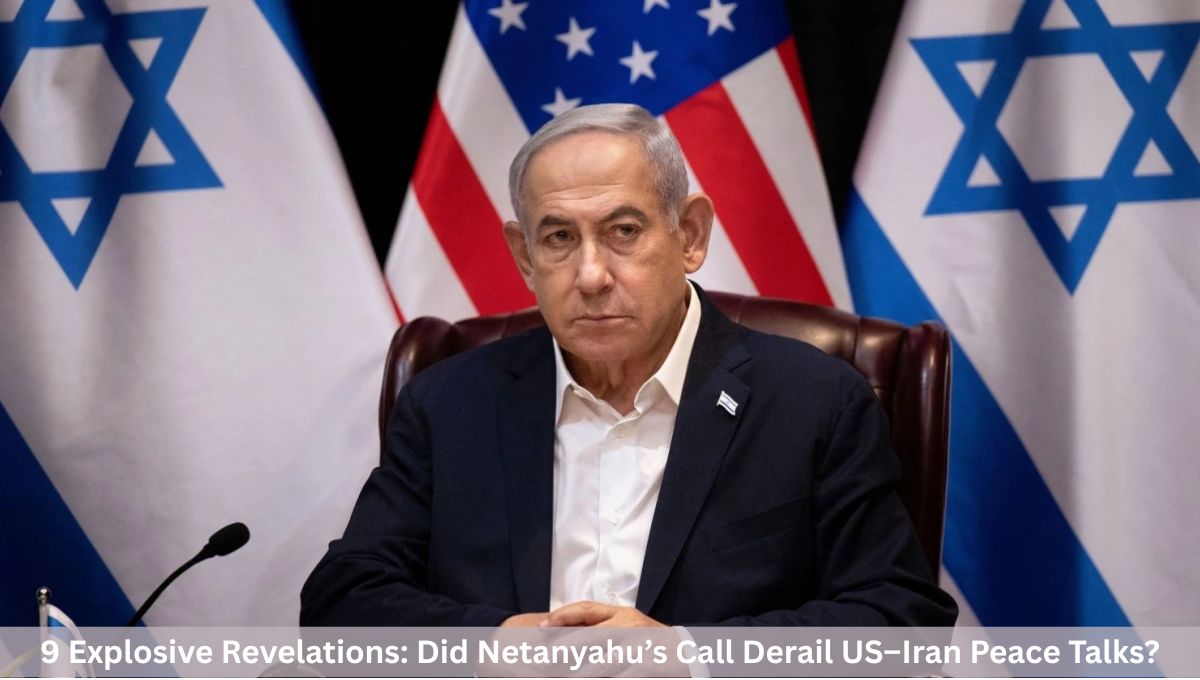
9 Explosive Revelations: Did Netanyahu’s Call Derail US–Iran Peace Talks? A fragile peace collapses. A high-stakes diplomatic effort to end one of the most dangerous conflicts in the Middle East has collapsed dramatically after more than 21 hours of marathon negotiations.
The talks between the United States and Iran, hosted in Pakistan, were seen as a rare opportunity to stabilize a volatile region already shaken by weeks of war.
But just as negotiators appeared to inch toward a breakthrough, the process unraveled.
Iran now claims that a phone call from Israeli Prime Minister Benjamin Netanyahu to U.S. Vice President JD Vance disrupted the delicate balance of the negotiations—shifting focus and hardening positions at a critical moment.
Whether this allegation is accurate or part of broader diplomatic positioning, the fallout has been immediate—and global.
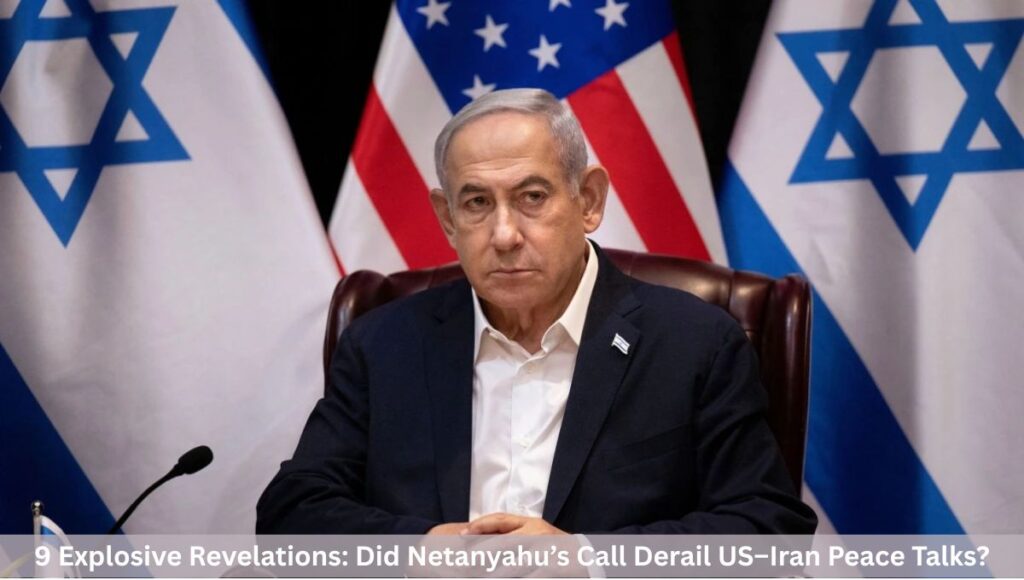
9 Explosive Revelations: Did Netanyahu’s Call Derail US–Iran Peace Talks?
What Happened in Islamabad?
A Historic but Tense Meeting
The negotiations marked:
- The first high-level direct talks between the U.S. and Iran in decades
- The most significant engagement since the Iranian Revolution
- A critical attempt to preserve a fragile ceasefire
Held in Islamabad, the talks brought together senior leadership from both nations in a carefully mediated environment.
21 Hours of Diplomacy
Inside the venue:
- Delegations operated from separate wings
- Mediators from Pakistan shuttled messages between sides
- Negotiators debated nuclear policy, sanctions, and regional security
At one point, sources suggest the two sides were “80% close” to an agreement.
Yet, despite progress, the talks ultimately failed.
Iran’s Explosive Claim: Netanyahu’s Intervention
The Allegation
Iran’s Foreign Minister Seyed Abbas Araghchi claimed that:
- Netanyahu called JD Vance during negotiations
- The call shifted U.S. priorities
- Israel’s interests overtook the negotiation agenda
According to Tehran, this moment marked a turning point where:
- U.S. flexibility decreased
- Negotiation dynamics hardened
- A potential agreement collapsed
Why This Matters
If true, the allegation suggests:
- External influence on sensitive diplomacy
- Diverging priorities between allies
- A broader regional power struggle shaping outcomes
However, Washington has not confirmed the claim.
The U.S. Perspective: “Progress, But Not Enough”
JD Vance’s Position
JD Vance described the talks as:
- Productive but incomplete
- Showing “positive movement” from Iran
- Falling short on critical demands
Key U.S. expectations included:
- A full halt to uranium enrichment
- Dismantling nuclear infrastructure
- Transfer of enriched uranium stockpiles
“Final and Best Offer”
Vance stated the U.S. presented a “final and best offer,” emphasizing that:
- The responsibility now lies with Iran
- Future talks depend on Tehran’s willingness
Core Issue: Iran’s Nuclear Programme
The Central Dispute
At the heart of the negotiations lies one question:
Can Iran maintain nuclear capabilities without developing weapons?
The U.S. position:
- Zero enrichment for up to 20 years
- Strict monitoring
- Full transparency
Iran’s counter-position:
- Limited enrichment rights
- Recognition of sovereignty
- Shorter timelines (5–10 years)
Why It’s So Contentious
For Iran:
- Nuclear capability = national sovereignty
For the U.S. and allies:
- Nuclear capability = potential weaponization risk
This fundamental divide remains unresolved.
The Strait of Hormuz: A Strategic Pressure Point
Global Energy Lifeline
The Strait of Hormuz is one of the most critical chokepoints in the world:
- Handles nearly 20% of global oil supply
- Connects Middle Eastern producers to global markets
Iran’s Leverage
Iran has:
- Restricted or controlled passage
- Signaled willingness to impose tolls
- Used the strait as strategic leverage
U.S. Response
The U.S. has:
- Initiated a naval blockade targeting Iranian ports
- Pledged to reopen the route
- Increased military presence
This issue alone could escalate tensions dramatically.
Inside the Negotiation Room
Atmosphere: Tense and Unpredictable
Sources describe:
- Heated exchanges
- Walkouts and returns
- Late-night negotiations
At times:
- Voices were raised
- Mediators intervened
- Breakthroughs seemed imminent
Why Talks Failed
Key sticking points included:
- Nuclear enrichment limits
- Sanctions relief
- Control of Hormuz
- Security guarantees
Even minor disagreements carried major geopolitical consequences.
Role of Mediators: Pakistan’s Diplomatic Push
Pakistan as Host
Pakistan played a critical role:
- Facilitating communication
- Hosting negotiations
- Attempting to bridge gaps
Ongoing Mediation
Despite failure:
- Pakistan continues backchannel efforts
- Other mediators include Turkey, Egypt, and Oman
- A second round of talks is under consideration
Are New Talks Coming Soon?
Possible Locations
Future talks may take place in:
- Geneva
- Islamabad again
Timeline
Reports suggest:
- Talks could resume within days
- A deadline looms with the ceasefire ending soon
Diplomatic Signals
Both sides indicate:
- Willingness to continue dialogue
- Desire to avoid full-scale war
The Role of Donald Trump
Pressure Strategy
Donald Trump has:
- Imposed a blockade
- Threatened further military action
- Maintained a hardline stance
Mixed Messaging
Trump has said:
- Iran “wants a deal”
- But also “I don’t care if they come back”
This dual approach reflects:
- Strategic pressure
- Political positioning
Global Impact: Why This Matters
Energy Markets
The collapse has already:
- Driven oil prices higher
- Increased market uncertainty
- Raised fears of supply disruption
Geopolitical Risks
Potential consequences include:
- Renewed military escalation
- Wider regional conflict
- Global economic instability
Competing Narratives: Who Is to Blame?
Iran’s View
Iran accuses the U.S. of:
- “Maximalism”
- Shifting goalposts
- Acting under external influence
U.S. View
The U.S. argues:
- Iran refused key conditions
- Delegation lacked authority
- Core demands remain unmet
The Reality
The truth likely lies between:
- Strategic mistrust
- Irreconcilable red lines
- External geopolitical pressures
A Deal That Almost Happened
“Inches Away”
Iran claims the two sides were close to:
- Signing an Islamabad Memorandum of Understanding
- Establishing a framework for peace
Why It Fell Apart
At the final stage:
- Positions hardened
- Demands expanded
- Trust collapsed
What Happens Next?
Short-Term Outlook
- Continued diplomatic engagement
- Possible extension of ceasefire
- Heightened military readiness
Long-Term Risks
- Breakdown of negotiations
- Escalation into wider war
- Prolonged global instability
Conclusion: A Turning Point in Middle East Diplomacy
The collapse of the US–Iran talks in Islamabad marks a critical moment in global geopolitics.
It highlights:
- The fragility of diplomacy in conflict zones
- The influence of external actors
- The deep mistrust between adversaries
Whether Netanyahu’s alleged call truly derailed the talks may remain contested.
But what is clear is this:
The window for peace is narrowing—and the stakes have never been higher.
Also Read: 7 Shocking Truths About Iran-US Ceasefire as Israel Excludes Lebanon from Truce
Also Read: Netanyahu’s call to Vance derailed US-Iran talks? Araghchi reveals inside details
Related Posts:
- 3 Explosive Conditions Iran Sets to End War with US…
- 10 Explosive Warnings as Donald Trump Calls Iran…
- 11 Explosive Warnings as Trump Vows to ‘Knock the…

- 10 Explosive Signals Trump Says Iran War Could End…
- 10 Explosive Strikes: Israel Bombs Tehran Oil Depots…

- 12 Explosive Claims as Donald Trump Says Iran War…