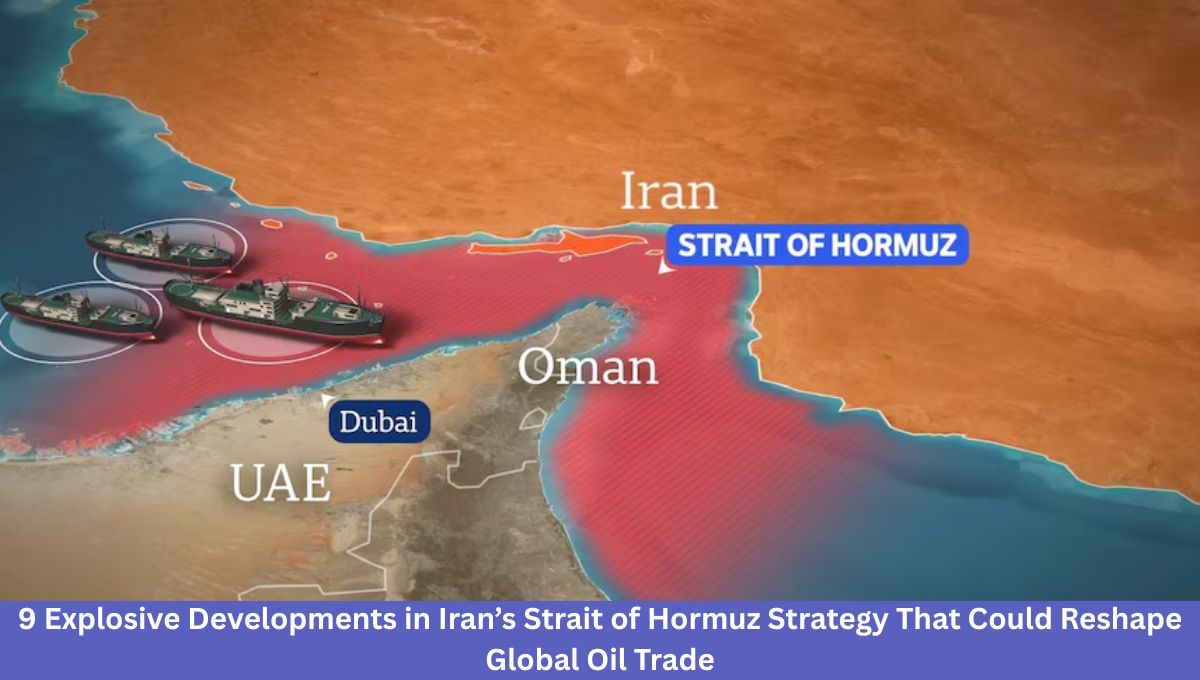
9 Explosive Developments in Iran’s Strait of Hormuz Strategy That Could Reshape Global Oil Trade and disrupt shipping. The strategic waters of the Strait of Hormuz—one of the most vital arteries of global energy trade—are once again at the center of geopolitical tension. Following weeks of conflict, Iran has announced alternative maritime routes for vessels navigating the strait, citing threats from sea mines and ongoing military risks.
While a temporary ceasefire with the United States has raised hopes for stability, the reality on the ground—or rather, in the water—remains uncertain.
Instead of restoring normalcy, Tehran’s new measures are reshaping how global shipping operates in this critical passage.
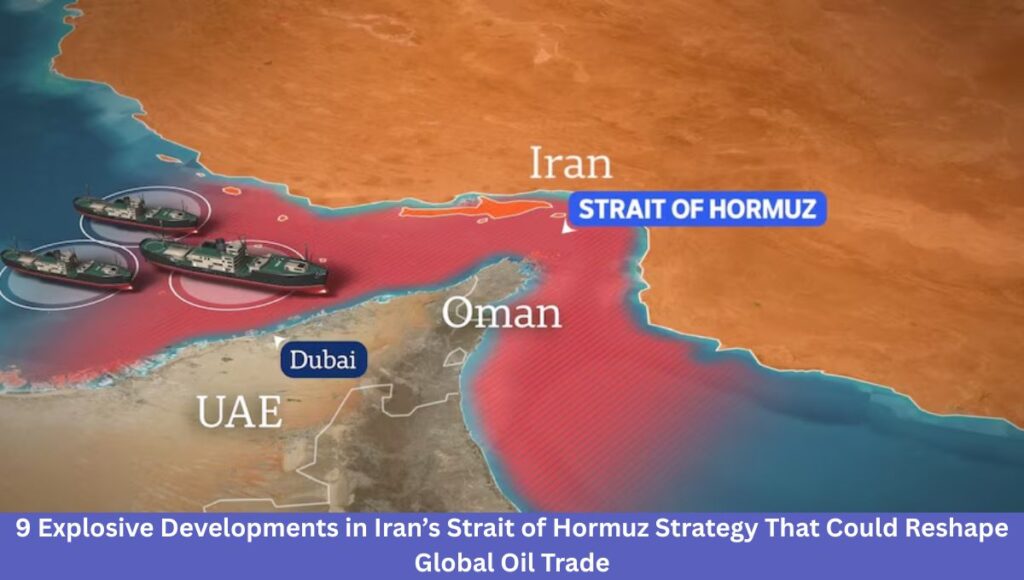
9 Explosive Developments in Iran’s Strait of Hormuz Strategy That Could Reshape Global Oil Trade
Why the Strait of Hormuz Matters
A Global Energy Lifeline
The Strait of Hormuz is not just another maritime route—it is the backbone of global energy supply.
Roughly 20% of the world’s oil flows through this narrow corridor daily, connecting the oil-rich Gulf region to international markets.
At its narrowest point, the strait spans just 34 kilometers, bordered by Iran to the north and Oman to the south.
This geographical constraint makes it both strategically crucial and highly vulnerable.
Economic Ripple Effects
Any disruption here triggers immediate consequences:
- Oil price volatility
- Supply chain disruptions
- Increased insurance and shipping costs
- Inflationary pressures worldwide
Iran’s Alternative Shipping Routes: Safety or Strategy?
Iran’s Revolutionary Guards have issued directives requiring ships to use designated alternative routes.
These routes are designed to:
- Avoid suspected sea mine zones
- Reduce collision risks
- Maintain tighter Iranian oversight
Ships are now instructed to navigate closer to Iranian territorial waters, particularly around Larak Island.
Strategic Implications
While framed as a safety measure, this move effectively:
- Expands Iranian control over maritime traffic
- Limits operational flexibility for global shipping firms
- Introduces new compliance requirements
Shipping companies must now coordinate closely with Iranian authorities, fundamentally altering the traditional concept of free navigation.
The Ceasefire That Changed Little
A Temporary Truce
The ceasefire agreement between Iran and the United States—announced just before a deadline set by Donald Trump—was intended to reopen the strait and stabilize global markets.
However, the ceasefire has proven fragile:
- Only a handful of ships are transiting daily
- Traffic remains far below pre-conflict levels
- Military tensions continue to simmer
Shipping Activity Remains Depressed
Before the conflict:
- ~140 ships crossed daily
Current estimates:
- Only 10–15 ships per day
- Some days recorded as few as 4 vessels
This dramatic drop highlights the ongoing uncertainty and operational risk.
Iran’s Controversial Toll Proposal
Charging for Passage
Iran has proposed a system where ships must:
- Declare cargo details
- Obtain prior approval
- Pay transit fees—reportedly $1 per barrel of oil
Payments are allegedly required in cryptocurrency, raising additional concerns about transparency and sanctions compliance.
Legal and Diplomatic Pushback
This proposal challenges long-standing principles of international maritime law, particularly:
- Freedom of navigation
- Innocent passage rights
Oman has firmly rejected the idea, stating:
“No tolls can be imposed for crossing Hormuz.”
Global Shipping in Limbo
Hundreds of Ships Stranded
Industry estimates suggest:
- 300–400 ships waiting to exit the Gulf
- Over 900 vessels affected overall
This backlog has created logistical bottlenecks and increased operational costs.
Insurance Challenges
The Strait of Hormuz is now classified as a high-risk zone:
- Insurance premiums have surged
- War-risk coverage remains expensive
- Approval from Iranian authorities is often required for coverage
Sanctions and Compliance Risks
Shipping companies face a difficult dilemma:
- Pay Iranian tolls and risk violating sanctions
- Refuse payment and remain stranded
This legal ambiguity has forced many operators into a wait-and-watch approach, further slowing global trade.
Economic Impact: Rising Costs and Uncertainty
Oil Prices and Market Volatility
The disruption has already caused:
- Sharp increases in crude oil prices
- Higher freight and insurance costs
- Increased energy prices globally
Even a $1-per-barrel toll can significantly impact large-scale shipments.
Impact on Major Economies
Countries heavily dependent on Gulf energy supplies—including:
- China
- India
- Japan
- South Korea
—are particularly vulnerable to prolonged disruptions.
Alternative Export Routes: Limited Solutions
Bypassing Hormuz
Gulf nations have activated contingency plans:
- Saudi Arabia’s East–West pipeline
- UAE’s Fujairah export route
However, these alternatives:
- Have limited capacity
- Are also vulnerable to attacks
- Cannot fully replace Hormuz throughput
Geopolitical Stakes: A Shift in Power Dynamics
Iran’s Strategic Leverage
By controlling access to the strait, Iran gains:
- Economic leverage through tolls
- Political influence over global trade
- Strategic advantage in negotiations
Global Concerns
Allowing Iran to maintain such control could:
- Set a precedent for other chokepoints
- Undermine international maritime law
- Reshape global trade norms
Industry Reactions: Caution Over Confidence
Major shipping companies, including global leaders, are:
- Avoiding the route where possible
- Seeking clarity on operational rules
- Delaying transit decisions
Executives emphasize that:
- The ceasefire does not guarantee safety
- Long-term stability remains uncertain
Human and Operational Impact
Seafarers at Risk
Thousands of crew members remain stranded in the Gulf, facing:
- Safety risks
- Extended deployments
- Uncertain evacuation timelines
Logistical Gridlock
Clearing the backlog could take:
- 1–2 months, even under stable conditions
Future Outlook: What Comes Next?
Short-Term Expectations
- Limited shipping activity
- Continued military vigilance
- Ongoing diplomatic negotiations
Long-Term Scenarios
- Formalized toll system
- Increased militarization of the strait
- Greater reliance on alternative routes
Conclusion: A Chokepoint Under Pressure
The situation in the Strait of Hormuz underscores how fragile global energy security can be.
While the ceasefire between Iran and the United States has prevented immediate escalation, it has not restored confidence.
Instead, Iran’s evolving strategy—combining alternative routes, strict controls, and proposed tolls—signals a new phase in the geopolitics of global trade.
For now, the world watches as diplomacy, economics, and military strategy converge in one of the most critical waterways on the planet.
Also Read: 12 Explosive Insights as Trump Signals Early End to Iran War Despite Strait of Hormuz Crisis
Related Posts:
- 10 Explosive Updates: US Destroys 16 Iranian…
- 7 Critical Ways Iran’s Yuan Oil Plan Could Shake the…
- 3 Explosive Conditions Iran Sets to End War with US…

- 9 Explosive Claims as Trump Says US Winning Iran War

- 7 Explosive Reasons Oil Prices Are Surging as Trump…

- 7 Powerful Facts About Ayatollah Ali Khamenei’s…