

The latest round of Iran-US Nuclear Talks Get Another Chance Amidst Persistent Uranium Enrichment Standoff. Nuclear talks between Iran and the United States concluded in Rome on Friday, facilitated by Oman’s Foreign Minister Badr al-Busaidi. While no breakthrough was achieved, both sides described the discussions as “professional” and “logical,” signaling a willingness to continue negotiations despite significant obstacles.
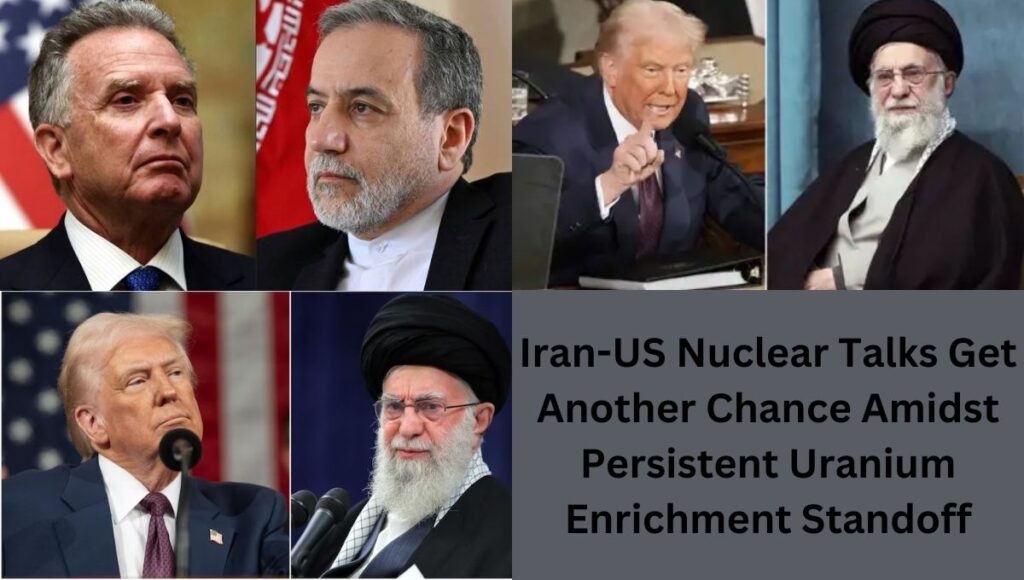
Iran-US Nuclear Talks Get Another Chance Amidst Persistent Uranium Enrichment Standoff
Iran-US Nuclear Talks Resume with Oman’s Mediation After ‘Professional’ Fifth Round
The fifth round marked one of the most serious and prolonged negotiation efforts in recent years, with Iran’s Foreign Minister Seyyed Abbas Araghchi and U.S.
Special Presidential Envoy Steve Witkoff leading their respective teams. Although Witkoff departed early due to flight commitments, American experts remained on site to carry forward discussions, reflecting the complex and ongoing nature of these talks.
Uranium Enrichment Remains the Core Sticking Point in Iran-US Nuclear Talks
At the heart of the impasse is Iran’s uranium enrichment program a red line that Tehran insists is non-negotiable. The United States demands zero enrichment, viewing it as essential to prevent Iran from acquiring nuclear weapons capability.
Iran, however, maintains that its nuclear program is for peaceful civilian use and refuses to halt enrichment activities.
Before the talks, Araghchi underscored Iran’s firm position on social media, stating: “Zero nuclear weapons = we DO have a deal. Zero enrichment = we do NOT have a deal.”
This statement highlights the fundamental disagreement that has consistently hindered progress not only in the current talks but throughout decades of nuclear negotiations.
Experts note that this collision of red lines makes the talks especially sensitive. Sina Toossi, an analyst with the Center for International Policy, described the round as “uniquely sensitive” due to these seemingly irreconcilable positions.
The Role of Oman and Next Steps in Negotiations
Oman’s Foreign Minister played a pivotal role as mediator, proposing initiatives intended to ease tensions and clarify unresolved issues.
Both Iran and the United States are reviewing these proposals separately with no binding obligations, according to Araghchi.
The complexity of the negotiations means that a deal will not emerge quickly. Iran’s top diplomat warned that the process will extend beyond “two or three sessions,” signaling that patience and ongoing dialogue remain critical to any potential breakthrough.
Iran’s foreign ministry confirmed that the timing and location of the sixth round will be announced later, emphasizing that both parties remain engaged despite the difficulties.
Sanctions and External Pressures Complicate Diplomatic Efforts
Adding to the tension, the United States has imposed fresh sanctions on Iran’s construction sector and oil and gas industries, further straining diplomatic relations.
Iranian officials and spokespeople criticized these moves, calling them “irrational” and questioning the U.S.’s seriousness about negotiations.
Iran sees these sanctions as hostile and believes they undermine trust between the parties. Esmail Baqaei, Iran’s foreign ministry spokesman, highlighted that imposing new sanctions “further put to question the American willingness & seriousness for diplomacy.”
The timing of sanctions during ongoing talks is viewed by Tehran as a strategic maneuver that complicates the environment for genuine agreement.
Israeli Influence and Regional Security Concerns
The involvement of Israel, a staunch opponent of Iran’s nuclear ambitions, adds another layer of complexity.
Israeli Prime Minister Benjamin Netanyahu has urged the U.S. to demand not only a halt to uranium enrichment but also an end to Iran’s missile program and support for regional militias.
Reports indicate that U.S. envoy Steve Witkoff met with Israeli officials during the Rome talks, reinforcing perceptions in Tehran that U.S. policies are influenced by Israeli hardline positions.
Iran has expressed strong opposition to any non-nuclear issues being linked to the nuclear talks, citing sovereign rights and defense needs.
Growing Skepticism in Tehran and Preparation for ‘Plan B’
Inside Iran, skepticism is mounting about the chances of a successful agreement under the current conditions.
A senior Iranian lawmaker revealed to CNN that Iran is preparing for a “Plan B” if the talks fail, although details remain undisclosed.
Ebrahim Rezaei, member of Iran’s National Security and Foreign Policy Committee, stated, “We do not have hope yet, because the American side is still insisting on zero enrichment and I know the Islamic Republic of Iran will never agree with zero enrichment.”
He further expressed disappointment over the U.S.’s approach, indicating that Tehran sees the American demands as fundamentally incompatible with Iranian red lines.
What Experts Say: Misreading Iranian Resolve
Many analysts argue that the U.S. is misreading Iranian psychology by assuming that increased pressure will yield concessions.
Ali Vaez, Iran project director at the International Crisis Group, pointed out that Iran perceives capitulation as a threat to regime survival, making it highly unlikely to concede from a position of weakness.
Sanam Vakil of Chatham House suggested that threats of war and sanctions only harden Iran’s resolve, and that “quiet backchannel talks” might be the best way to revive the diplomatic process.
The Impact of Potential Israeli Military Action
Amid the diplomatic deadlock, reports have emerged about Israel preparing potential military strikes against Iranian nuclear sites. U.S. officials acknowledge awareness of such plans, though Israel has not made a definitive decision.
Experts warn that any Israeli attack could end the nuclear talks altogether and potentially push Iran to abandon the Treaty on the Non-Proliferation of Nuclear Weapons (NPT), escalating regional instability.
Trita Parsi of the Quincy Institute warns that Israeli strikes would not destroy Iran’s nuclear program but would destroy diplomacy, provoking a strong Iranian retaliatory response.
Conclusion: A Fragile Path Forward
The fifth round of Iran-US nuclear talks ended with limited progress but demonstrated that dialogue continues despite sharp disagreements.
Uranium enrichment remains the most contentious issue, while fresh sanctions and regional dynamics complicate the path toward an agreement.
Both sides appear committed to continuing negotiations, but the road ahead is fraught with challenges. Whether diplomacy can prevail over sanctions, military threats, and deep mistrust remains uncertain.
The international community watches closely as Iran and the U.S. prepare for further talks, hoping that diplomacy can ultimately prevent a broader conflict and pave the way for a sustainable agreement.
Also Read: Rome Nuclear Talks Stall as U.S. and Iran Clash Over Uranium Enrichment
Also Read: Iran rules out enrichment break as bait for US nuclear deal
Related Posts:
- 5 Major Takeaways from the US Supreme Court's…

- 9 Explosive Claims as Trump Says US Winning Iran War

- 7 Powerful Facts About Ayatollah Ali Khamenei’s…

- 7 Heartbreaking Facts About Venezuela's Earthquake Disaster

- Trump’s 20-Point Gaza Peace Plan Gains Urgent Global…

- 7 Powerful Measures: Trump Sanctions Russian Oil…
